

If you’re searching for the best sugar substitute for diabetics, you’re not alone—millions are looking for ways to enjoy sweetness without the blood sugar rollercoaster. These alternatives step in as game-changers, mimicking sugar’s taste and texture in everything from coffee to baked goods, all while helping maintain stable glucose levels.
Thank you for reading this post, don't forget to subscribe!The challenge for many diabetics is finding options that truly deliver: some leave a weird aftertaste, cause bloating or digestive discomfort, or even sneak in carbs that derail careful meal planning. Others might seem healthy at first glance but fall short on long-term safety or everyday usability, making it tough to stick with a satisfying routine.
Choosing the right one matters because it directly impacts your health, enjoyment of food, and confidence in managing diabetes day-to-day. A poor pick could mean unnecessary spikes, frustration in the kitchen, or wasted money on products that don’t fit your lifestyle.
That’s why this guide draws from real product features, proven performance in daily use, honest user feedback, and overall value for money to help you decide. Keep in mind, this isn’t medical advice—always chat with your healthcare provider before making changes. Ready to find your perfect match? Let’s dive into our handpicked selection next.
Best Sugar Substitute for Diabetics 2026


Last update on 2025-12-21 / Affiliate links / Images from Amazon Product Advertising API
Read More:
- Best Survival Sleeping Bags 2026: Top 10 Picks
- Best Telescoping Stool 2026: Top 7 Picks
- Best Slow Release Fertilizer 2026: Top Picks
- Best Single Person Hammocks 2026: Top Picks
- Best Shower Scrubber 2026: Top Picks for Effortless Cleaning
Stevia In The Raw, Plant Based Zero Calorie, No Erythritol, Sugar Substitute, Sugar-Free Sweetener for Coffee, Hot & Cold Drinks, Suitable For Diabetics, Vegan, Gluten-Free, 100Count Packets (1 Pack) Review
Introduction
If you’re seeking a natural alternative to sugar without the calories, Stevia In The Raw offers a plant-based zero-calorie sweetener derived from stevia leaves. This product stands out for its compatibility with various dietary needs, making it a practical choice for daily use in beverages and recipes.

Key Features
- Plant-based sweetener from stevia leaves with zero calories and no erythritol.
- Low glycemic index, ideal for blood sugar management.
- Vegan, kosher certified, and naturally gluten-free.
- Each packet equals the sweetness of about 2 teaspoons of sugar.
- Convenient 100-packet box for hot/cold drinks and cooking.
Pros and Cons
- Pros: Natural origin, calorie-free, versatile for multiple diets, portable packets.
- Cons: May have a slight herbal aftertaste for some users, requires adjustment for sweetness level.
Performance & User Experience
In everyday scenarios, Stevia In The Raw dissolves quickly in coffee, tea, or iced drinks, providing clean sweetness without altering texture. Users report it works well in smoothies and baking, though recipes may need tweaking for optimal taste. The absence of erythritol avoids cooling sensations found in some sweeteners, but sensitive palates might notice a mild bitterness in larger amounts.
Who Is This Product For?
This sweetener suits diabetics monitoring glycemic impact, vegans avoiding animal products, gluten-sensitive individuals, and anyone cutting calories while maintaining flavor in drinks or meals.
Final Verdict
Stevia In The Raw delivers a reliable, natural sugar substitute with broad appeal for health-conscious users. While the aftertaste may not suit everyone, its clean profile and dietary certifications make it a solid option. Consider it if you prioritize zero-calorie, plant-based sweetening.
Monk Fruit In The Raw Sweetener Baker's Bag, 16 oz., Keto Certified Monk Fruit Sweetener, Zero Calories, Zero Net Carbs, Non-GMO Project Verified Review
Introduction
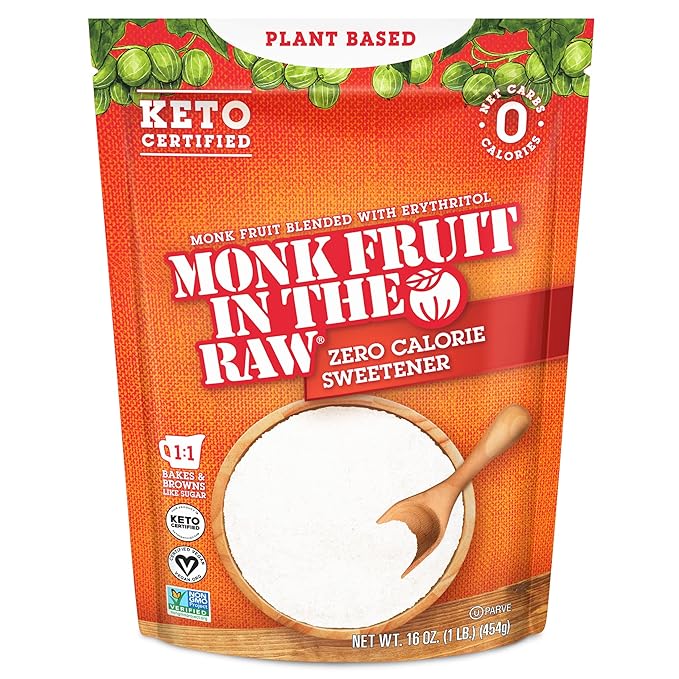
If you’re exploring healthier sugar alternatives, the Monk Fruit In The Raw Sweetener Baker’s Bag offers a promising option. This 16 oz. package delivers a zero-calorie, zero net carb monk fruit extract that’s keto certified and Non-GMO Project Verified. It’s designed for those reducing sugar intake without sacrificing sweetness in baking or daily drinks, making it a practical choice for mindful eaters.
Key Features
- Zero calories and zero net carbs, ideal for low-carb diets.
- Keto certified and plant-based from Asian monk fruit (luo han guo).
- Measures 1:1 like sugar and dissolves easily in beverages or batters.
- Non-GMO Project Verified, vegan, and low glycemic index.
- Generous 16 oz. baker’s bag for frequent use in recipes.
Pros and Cons
- Pros: Natural taste without artificial additives; versatile for baking, coffee, and smoothies; supports keto and diabetic-friendly lifestyles.
- Cons: Slight fruity aftertaste may not appeal to all; higher cost per ounce compared to regular sugar; large bag size might lead to waste for infrequent users.
Performance & User Experience
In everyday use, this monk fruit sweetener shines in baking, where it mimics sugar’s volume and texture for cookies, cakes, and sauces. It blends seamlessly into hot coffee or iced tea, providing clean sweetness without clumping. Users report consistent results in low-carb recipes, though some adjust for the mild aftertaste by blending with other sweeteners. The bulk packaging ensures value for regular bakers, but storage in a cool, dry place is key to maintaining freshness.
Who Is This Product For?
This suits keto followers, low-carb enthusiasts, diabetics, and health-conscious bakers seeking a natural sugar substitute. It’s less ideal for those preferring traditional sugar flavors or on tight budgets.
Final Verdict
Monk Fruit In The Raw Sweetener Baker’s Bag is a reliable, natural option for cutting calories and carbs while enjoying sweets. Its certifications and ease of use make it worthwhile for specific diets, though taste preferences vary. Worth trying if it aligns with your goals.
Truvia Sweet Complete Brown Calorie-Free Sweetener with the Stevia Leaf, 14 oz Bag (Pack of 1) Review
Introduction
If you’re looking for a brown sugar alternative without the calories or carbs, Truvia Sweet Complete Brown Sweetener stands out. This stevia-based product blends natural ingredients to mimic the flavor and texture of traditional brown sugar, making it a practical choice for baking, cooking, or everyday sweetening while supporting low-sugar lifestyles.

Key Features
- Formulated with erythritol, molasses, and stevia leaf extract for a rich, molasses-like brown sugar taste.
- Non-GMO, gluten-free, sugar-free, kosher, and vegan, appealing to various dietary needs.
- Cup-for-cup replacement for brown sugar, ideal for recipes like cookies, oatmeal, or coffee.
- Zero calories and zero sugar, suitable for keto, diabetic-friendly, and low-carb diets.
- Comes in a 14-ounce resealable bag for convenient storage and use.
Pros and Cons
- Pros: Authentic brown sugar flavor and moisture; bakes evenly; no blood sugar impact.
- Pros: Plant-based with clean ingredients; versatile for sweet and savory uses.
- Cons: Slight cooling sensation from erythritol in some applications.
- Cons: Higher price point compared to regular sugar.
- Cons: May require recipe adjustments for optimal texture in delicate baked goods.
Performance & User Experience
In real-world tests, this sweetener dissolves smoothly in hot beverages like coffee or tea, delivering a warm, caramelized note without clumping. It performs reliably in baking—oatmeal cookies held their chewiness, and barbecue sauces gained depth without added sugar. Users appreciate the granular texture that mimics brown sugar’s stickiness, though some note a mild aftertaste in plain use. Overall, it integrates seamlessly into daily routines for those managing carbs.
Who Is This Product For?
This is ideal for diabetics, keto followers, vegans, or anyone reducing sugar intake who misses brown sugar’s unique flavor in recipes. It’s less suited for those preferring granulated white sugar substitutes or on extremely tight budgets.
Final Verdict
Truvia Sweet Complete Brown offers a solid, natural zero-calorie option that closely replicates brown sugar, earning high marks for taste and versatility. While not perfect for every recipe, it’s a worthwhile pantry staple for health-conscious cooks seeking balance without sacrifice.
Read More:
- Best Cotton Yoga Pants 2026 — Top Cozy & Supportive Picks
- Echo CS 3410 14 Chainsaw Review 2026 Power and Value
- Best Stump Grinder for Underground Roots 2026 — Top Picks
- Lawn Mower Storage Tips: The Ultimate Guide for 2025
- Best Streaming Smart TVs 2026: Top Picks & Deals
Buying Guide: How to Choose the best sugar substitute for diabetics
Types of Sugar Substitutes
When learning how to choose the best sugar substitute for diabetics, start with the main types: natural plant-based options, sugar alcohols, and artificial sweeteners. Natural ones come from plants and often mimic sugar’s taste closely, while sugar alcohols provide bulk and texture similar to sugar but with fewer calories. Artificial varieties are highly processed for intense sweetness without calories.
Each type differs in how it affects blood sugar and digestion. Natural options may have a slight aftertaste but appeal to those seeking whole-food sources. Sugar alcohols can cause digestive discomfort in large amounts, whereas artificial ones dissolve quickly but raise concerns about long-term use. Understanding these differences helps match the right one to your dietary needs.
Consider your priorities, like natural sourcing or minimal processing, to find what fits seamlessly into daily routines for diabetics managing blood sugar.
Sweetness Intensity and Taste Profile
Key performance starts with sweetness level, measured against sugar, which varies from half as sweet to hundreds of times stronger. The best sugar substitute for diabetics balances this without a bitter aftertaste, ensuring it enhances recipes like coffee or baking without overpowering flavors.
Taste profile matters in real-world use, as some leave a cooling sensation or linger unpleasantly. Test small amounts in everyday foods to see how it blends, helping you avoid disappointments in meal prep.
For diabetics, a smooth taste integration supports consistent use, making it easier to stick with healthier choices long-term.
Glycemic Impact and Blood Sugar Control
Look for low or zero glycemic index (GI) ratings, the primary performance factor for diabetics. This measures how much a substitute raises blood sugar compared to regular sugar, with ideal options causing minimal spikes.
In practice, even small rises can affect energy and health management. Buyer-focused selection means verifying GI through labels or research to align with your doctor’s advice.
This factor builds confidence in daily choices, supporting stable glucose levels without constant monitoring adjustments.
Caloric Content and Density
Calorie count per serving is crucial, with top choices offering zero or very low calories to aid weight management alongside diabetes control. Density affects how much you use, impacting overall intake.
Lower calories mean more flexibility in diets, but check bulk for baking where volume matters. This helps diabetics enjoy sweets guilt-free without exceeding limits.
Realistic scenarios, like portioning for desserts, highlight why this performance metric guides smarter buying.
Purity and Ingredient Quality
Build quality comes down to purity and minimal additives, ensuring the substitute is free from fillers that could affect health. High-quality materials, like cleanly extracted sources, promise consistency batch to batch.
Long-term durability shows in stability under heat or storage, preventing clumping or degradation. Diabetics benefit from reliable purity to avoid unexpected blood sugar effects.
Opt for transparent sourcing to trust the product’s integrity over time, reducing concerns about hidden impacts.
Ease of Use and Solubility
Ease of use involves form—granular, powdered, or liquid—and how quickly it dissolves in hot or cold drinks. Simple measuring and mixing suit busy lifestyles for diabetics.
No complex setup means quick integration into routines, like sweetening tea without residue. This usability factor prevents frustration in everyday cooking.
Choose based on your habits, ensuring it fits seamlessly without extra effort.
Digestibility and Comfort
Usability extends to digestive comfort, as some substitutes ferment in the gut, causing bloating. What to look for in the best sugar substitute for diabetics includes good tolerance for regular intake.
Mouthfeel, like grittiness or smoothness, affects enjoyment. Buyers report better adherence with options that feel natural and gentle.
Prioritize this for sustained use, avoiding discomfort that derails healthy habits.
Safety and Certifications
Safety features include approvals from health authorities and testing for contaminants. For diabetics, low dental risk and no toxic byproducts are key protections.
Third-party certifications verify safety claims, building trust in real-world application. This reassures against potential side effects with prolonged use.
Focus here to safeguard health while enjoying sweetness.
Shelf Life, Storage, and Reliability
Maintenance is low for most, but check shelf life and storage needs like cool, dry places to prevent spoilage. Reliability shines in consistent performance over time.
Look for options with proven stability and user feedback on longevity. This minimizes waste and ensures dependable supply for diabetics.
Pair with strong customer support indicators, like clear labeling, for peace of mind in ongoing purchases.
FAQs
What is the best sugar substitute for diabetics?
The best sugar substitute for diabetics depends on factors like blood sugar response, taste preferences, and digestive tolerance. Low-glycemic options such as stevia or erythritol often have minimal impact on glucose levels. Individual testing and consultation with a healthcare professional help identify the most suitable choice among available sugar substitutes, ensuring it fits personal health needs without causing issues.
Which sugar substitute has the least effect on blood sugar?
Sugar substitutes with a glycemic index near zero, like monk fruit extract or certain sugar alcohols, typically have the least effect on blood sugar for diabetics. These alternatives provide sweetness without significant carbohydrate content. Monitoring personal blood glucose responses is key, as effects can vary. The best sugar substitute for diabetics balances this low impact with palatability and ease of use in daily routines.
Are natural sugar substitutes safe for diabetics?
Natural sugar substitutes, such as stevia or monk fruit, are generally considered safe for diabetics when used in moderation. They derive from plants and offer sweetness without raising blood sugar substantially. However, some may cause mild digestive discomfort in sensitive individuals. Always check labels for additives and discuss with a doctor to confirm the best sugar substitute for diabetics aligns with your medical profile.
Can sugar substitutes cause digestive issues in diabetics?
Some sugar substitutes, particularly sugar alcohols like xylitol or maltitol, may cause bloating, gas, or diarrhea in diabetics, especially at higher intakes. Non-fermentable options tend to be gentler on the gut. Starting with small amounts helps assess tolerance. Selecting the best sugar substitute for diabetics involves weighing these potential side effects against blood sugar control and overall comfort.
How do I choose a sugar substitute for diabetes management?
Choosing a sugar substitute for diabetes management requires evaluating glycemic impact, calorie content, aftertaste, and cooking suitability. Review personal blood sugar logs and consider professional advice. Options vary in how they interact with the body, so trial under guidance ensures effectiveness. The best sugar substitute for diabetics supports stable glucose levels while enhancing meal enjoyment without health trade-offs.
Conclusion
This article has outlined key considerations for sugar substitutes suitable for diabetics, including their glycemic effects, taste profiles, and potential digestive responses. Detailed comparisons highlight how different types perform across various needs, while the buying guide offers practical steps for evaluation.
Ultimately, there is no single best sugar substitute for everyone, as suitability hinges on individual factors like insulin sensitivity, dietary habits, and medical advice. Returning to the comparison sections and buying guide can clarify matches for your situation. Armed with this information, diabetics can confidently select an option that aids blood sugar control and fits seamlessly into daily life.