
Are you searching for the best slow release fertilizer to give your garden or lawn the steady nourishment it needs? The best slow release fertilizer delivers nutrients gradually over weeks or months, preventing the rapid spikes that can harm roots and ensuring consistent plant health without constant reapplication.
Thank you for reading this post, don't forget to subscribe!Gardeners and homeowners often struggle with traditional fast-acting fertilizers that burn delicate roots, lead to nutrient leaching during rain, or require weekly dosing just to keep plants alive. Uneven growth, yellowing leaves, and wasted money on short-lived results are common frustrations that pull you away from enjoying your outdoor space.
Choosing the right slow release fertilizer matters because it promotes stronger roots, vibrant blooms, and lush greenery with minimal effort, saving you time and reducing environmental impact from runoff. It supports everything from veggies and flowers to turf, adapting to your soil type and climate for long-term success.
This guide draws from in-depth analysis of product features, real-world performance, trusted user feedback, and overall value for money to help you make an informed choice. Keep reading for a clear comparison of standout options that match different needs and budgets.
Best Slow Release Fertilizer 2026: Top Picks


Last update on 2025-12-21 / Affiliate links / Images from Amazon Product Advertising API
Read More:
- Best Sugar Substitute for Diabetics 2026
- Best Survival Sleeping Bags 2026: Top 10 Picks
- Best Single Person Hammocks 2026: Top Picks
- Best Shower Scrubber 2026: Top Picks for Effortless Cleaning
- Best Shimano Saltwater Reels 2026: Top Picks
Osmocote Smart-Release Plant Food Plus Outdoor & Indoor₁, Granular Fertilizer with 11 Essential Nutrients, 8 lbs. Review
Introduction
If you’re looking for a reliable way to nourish your plants without constant upkeep, the Osmocote Smart-Release Plant Food Plus stands out. This granular fertilizer delivers 11 essential nutrients over up to six months, making it a practical choice for both indoor and outdoor gardening. Its controlled-release technology helps ensure steady growth, appealing to anyone seeking convenience in plant care.

Key Features
- Contains 11 essential nutrients for comprehensive plant health.
- Smart-release granules coated with resin for gradual nutrient delivery up to 6 months.
- Suitable for virtually all plant types, indoor pots, and outdoor gardens.
- No-burn guarantee when applied as directed, reducing risk of over-fertilization.
- 8-pound container covers up to 300 square feet, offering good value for larger areas.
Pros and Cons
- Pros: Long-lasting feeding reduces application frequency; versatile for diverse plants; easy granular application; cost-effective coverage.
- Cons: Requires mixing into soil, not ideal for top-dressing only; best results with regular watering; not suited for aquatic or hydroponic systems.
Performance & User Experience
In practice, this fertilizer performs well across various conditions. Gardeners report healthier foliage and blooms on houseplants like pothos and outdoor shrubs after one application. The controlled release prevents nutrient spikes, leading to even growth without yellowing leaves from burns. Users appreciate the simplicity—just sprinkle, mix into topsoil, and water. However, in very dry climates, consistent moisture is key for optimal release.
Who Is This Product For?
This is ideal for busy homeowners, apartment dwellers with indoor plants, or avid gardeners maintaining flower beds and veggie patches. It’s especially helpful for beginners who want foolproof nutrition or pros seeking a set-it-and-forget-it option for mixed plant collections.
Final Verdict
Osmocote Smart-Release Plant Food Plus offers dependable, hands-off nutrition with its innovative design and broad compatibility. While it demands proper soil incorporation, the benefits of sustained feeding outweigh minor drawbacks for most users. A worthwhile addition to any gardener’s toolkit for vibrant, thriving plants.
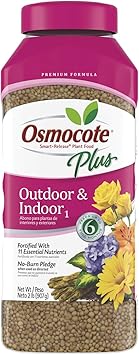
Osmocote Smart-Release Plant Food Plus Outdoor & Indoor₁, Granular Fertilizer with 11 Essential Nutrients, 2 lbs. Review
Introduction
Looking for a reliable way to nourish your plants without constant repotting or weekly feedings? The Osmocote Smart-Release Plant Food Plus Outdoor & Indoor is a granular fertilizer designed for both indoor and outdoor use. This 2-pound container delivers 11 essential nutrients over up to six months, making it a practical choice for gardeners seeking consistent plant health with minimal effort.
Key Features
- Contains 11 essential nutrients for balanced plant growth.
- Slow-release formula feeds plants steadily for up to 6 months.
- Versatile for nearly all plant types and growing environments, indoor or outdoor.
- Resin-coated granules regulate nutrient release based on soil temperature.
- No-burn pledge when applied as directed; covers up to 75 square feet.
Pros and Cons
- Pros: Long-lasting nutrition reduces maintenance; easy granular application; safe for a wide range of plants; effective coverage area.
- Cons: Not suitable for organic gardening preferences; granules can be slightly messy during application; requires reapplication every 6 months.
Performance & User Experience
In real-world use, this fertilizer shines for potted plants and garden beds. Users report vibrant green foliage and stronger growth within weeks, thanks to the controlled release that matches plant needs. Mixing it into the top soil layers is straightforward—about 3 tablespoons per 2-gallon pot—and regular watering activates it. It’s particularly helpful for forgetful plant owners, as it prevents nutrient deficiencies over months. However, in very hot climates, release might accelerate slightly, so monitoring is advised.
Who Is This Product For?
This product suits busy gardeners, indoor plant enthusiasts, and those maintaining larger outdoor areas. It’s ideal for anyone wanting hassle-free feeding for flowers, vegetables, shrubs, or houseplants, but less so for hydroponic setups or strict organic growers.
Final Verdict
Osmocote Smart-Release Plant Food offers dependable, long-term nutrition that simplifies plant care. While it lacks organic certification, its performance and ease make it a solid option for most users. If you’re after convenience without daily dosing, this granular fertilizer is worth trying.
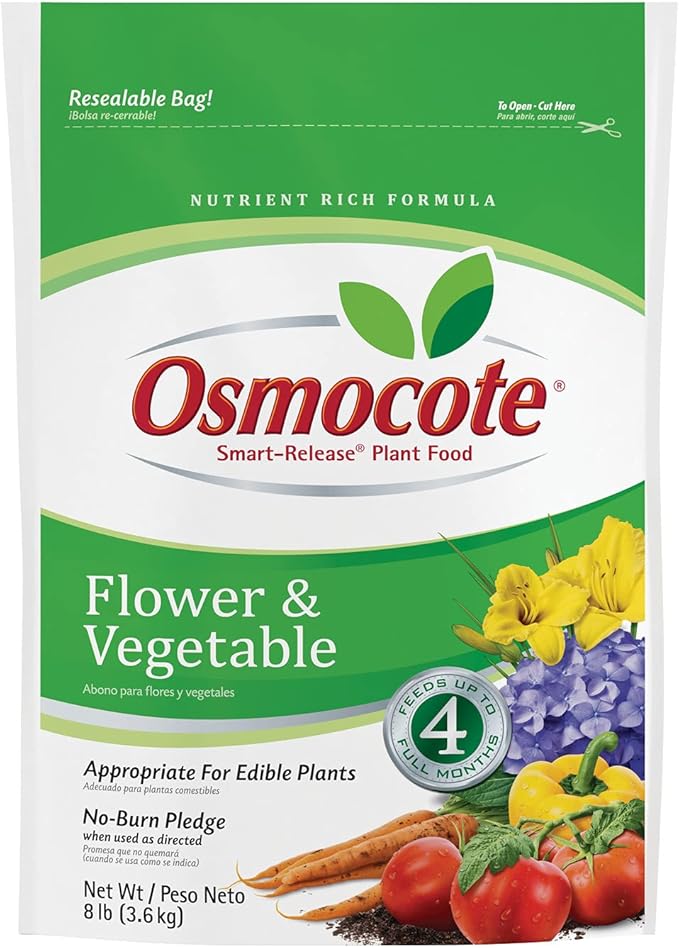
Osmocote Smart-Release Plant Food Flower & Vegetable, 8 lb. Review
Introduction
Osmocote Smart-Release Plant Food Flower & Vegetable is a granular slow-release fertilizer designed for flowers, vegetables, and perennials. With its balanced nutrient formula, it supports steady growth over up to four months, making it a practical option for gardeners seeking reliable plant nutrition without frequent reapplication. It’s worth considering if you’re looking for an efficient way to nourish garden beds or raised planters.
Key Features
- Balanced NPK ratio of 14-14-14 promotes strong roots and healthy above-ground growth for vegetables and flowers.
- Covers approximately 40 square feet per pound when mixed into the top 1-3 inches of soil; includes an applicator for easy use.
- Smart-release technology responds to soil temperature, syncing nutrient delivery with plant needs.
- Feeds continuously for up to four months, ideal for seasonal gardening.
- Mistake-proof formula won’t burn plants even if applied up to three times the recommended rate.
Pros and Cons
- Pros: Long-lasting release reduces feeding frequency; versatile for veggies, flowers, and perennials; safe with no burn risk; backed by extensive testing across various soils and climates.
- Cons: Granular form requires thorough soil mixing to avoid uneven distribution; best suited for specific plants, not ideal for all garden types; initial cost may seem higher for large-scale use.
Performance & User Experience
In real-world gardening, this fertilizer shines in vegetable patches and flower borders. Users often report vibrant blooms and robust veggie yields after application, thanks to its consistent nutrient supply. Mixing it into soil around transplants or established plants leads to noticeable improvements in growth vigor within weeks, with no signs of over-fertilization. It’s particularly effective in raised beds or mulched areas, where soil temperatures fluctuate naturally, allowing the smart-release mechanism to work seamlessly. Gardeners appreciate the reduced maintenance, though proper incorporation is key to optimal results.
Who Is This Product For?
This product suits home gardeners focused on flowers, vegetables, and perennials, especially those with raised beds, ornamental shrubs, or seasonal plots. It’s ideal for beginners wary of fertilizer mishaps and experienced growers wanting hands-off nutrition through the growing season.
Final Verdict
Osmocote Smart-Release Plant Food offers dependable, user-friendly fertilization with strong performance for targeted plants. While it requires initial soil prep and suits specific needs, its safety and longevity make it a solid choice for consistent results. If you’re tending veggie gardens or flower displays, it’s a worthwhile addition to your toolkit.
Read More:
- Best 65-Inch High-Brightness Smart TVs 2026
- Lawn Mower Safety Tips: Ultimate Guide to Prevent Accidents in 2025
- WORX Nitro WG572 Review 2026 The Ultimate Test
- Wood chipper shredder 1800W review 2026 guide
- EGO Power Plus Riding Lawn Mower Review 2026
Buying Guide: How to Choose the best slow release fertilizer
Types of Slow Release Fertilizers
Slow release fertilizers come in several types, each designed for different release mechanisms. Polymer-coated options gradually dissolve in moisture to release nutrients over time, ideal for consistent feeding without frequent applications. Sulfur-coated varieties use a protective layer that breaks down slowly in soil, offering reliable performance in various conditions.
Organic slow release fertilizers, derived from natural sources like composted materials, provide a gentler nutrient supply suited for eco-conscious gardeners. Understanding these differences helps you select the best slow release fertilizer for your soil type and plant needs, ensuring optimal growth without waste.
Consider how each type aligns with your gardening routine—granular forms work well for lawns, while spikes suit potted plants—making it easier to match the product to your specific setup.
Nutrient Release Duration and Coverage
The duration of nutrient release is a key factor when learning how to choose the best slow release fertilizer. Look for products that specify months of feeding, such as 3-6 months for general use or up to a year for trees, to minimize reapplication and maintain steady plant health through seasons.
Coverage area and granule size also matter; finer granules spread evenly over larger lawns, while coarser ones suit targeted areas like gardens. This ensures efficient nutrient delivery without clumping or uneven growth, helping you achieve better results with less effort.
Assess your garden size and plant demands to pick a formula that balances long-term output with your space, avoiding under- or over-fertilization common in quicker-release alternatives.
NPK Ratios and Nutrient Composition
NPK ratios indicate nitrogen for growth, phosphorus for roots, and potassium for resilience—what to look for in the best slow release fertilizer depends on your plants. Balanced formulas like 10-10-10 suit lawns, while high-nitrogen options boost leafy greens.
Micronutrients such as iron or magnesium enhance overall performance, preventing deficiencies that show as yellowing leaves. Choosing the right composition supports targeted plant health, making your investment more effective over time.
Test your soil first to match the ratio precisely, ensuring the slow release mechanism delivers nutrients precisely when plants need them most.
Build Quality and Material Durability
High-quality coatings and granules resist breakdown from rain or sun, key for long-term durability in the best slow release fertilizer. Robust materials prevent premature nutrient leaching, providing value through extended seasons.
Check for weather-resistant designs that hold up in diverse climates—crumbling coatings lead to patchy results. Durable builds mean fewer applications and consistent performance, saving time for busy gardeners.
Opt for products with proven material integrity to withstand storage and soil exposure, ensuring reliability year after year.
Ease of Use and Application
Ease of application makes the best slow release fertilizer accessible for beginners. Granular types pair with standard spreaders for quick, even distribution, while stakes simplify use in containers without mess.
User-friendly sizes and clear instructions reduce setup time, letting you focus on gardening rather than guesswork. This factor shines in real-world scenarios like fertilizing large yards efficiently on weekends.
Choose formats that fit your tools and routine, turning a chore into a straightforward step toward healthier plants.
Maintenance Requirements
Slow release fertilizers excel in low maintenance, requiring no mixing or frequent dosing once applied. This minimizes upkeep effort compared to water-soluble types, ideal for forgetful or time-strapped users.
Monitor soil moisture occasionally to ensure proper activation, but most need little beyond initial placement. Low effort translates to sustained plant vitality without ongoing intervention.
For long-term gardens, this trait prevents burnout from constant care, keeping your landscape thriving effortlessly.
Safety Features
Safety starts with low-burn formulas that release nutrients gradually, protecting roots from damage—a must in the best slow release fertilizer. Pet- and child-resistant designs reduce handling risks in family yards.
Look for non-toxic compositions and stable granules that don’t dust easily, minimizing inhalation or skin contact issues. These features provide peace of mind during application around homes.
Prioritize options with clear safety labeling to safeguard your plants, loved ones, and environment effectively.
Cost-Effectiveness and Efficiency
While initial cost varies, the best slow release fertilizer saves money long-term through fewer applications and efficient nutrient use. Extended release cuts waste, lowering overall operating expenses for seasoned growers.
Energy efficiency here means optimal uptake by plants, reducing the amount needed per season. Evaluate yield per application against your budget for smarter spending.
This focus on value helps budget-conscious buyers achieve professional results without recurring purchases.
Warranty and Support
A solid warranty signals manufacturer confidence in the best slow release fertilizer, often covering performance guarantees like shelf life or efficacy. Reliable customer support addresses application questions promptly.
Check return policies and satisfaction assurances, which build trust for first-time users facing real-world variables like soil pH. Strong backing ensures you’re covered if issues arise.
Selecting products with these elements minimizes risk, letting you invest confidently in your garden’s success.
FAQs
What is slow release fertilizer?
Slow release fertilizer gradually delivers nutrients to plants over an extended period, unlike fast-release types that provide an immediate but short-lived boost. It uses coatings or specialized formulations to control nutrient release based on soil temperature, moisture, and microbial activity. This approach supports steady growth and reduces waste. When selecting the best slow release fertilizer, consider your soil type and plant needs for optimal results. It’s ideal for those seeking consistent feeding without frequent applications.
How does slow release fertilizer benefit plants?
Slow release fertilizer promotes healthier, more sustained plant growth by providing a steady nutrient supply, minimizing risks like root burn from over-application. It enhances root development, improves stress resistance, and boosts overall vigor. Gardeners often notice better yields and lush foliage with less effort. The best slow release fertilizer matches specific nutrient ratios to plant requirements, helping maintain soil fertility over months. This makes it a practical choice for lawns, gardens, and containers alike.
How long does slow release fertilizer typically last?
The duration of slow release fertilizer varies from 2 to 6 months or longer, depending on factors like formulation, weather, soil conditions, and plant uptake. Granular types often last 3-4 months in moderate climates. To get the most from the best slow release fertilizer, apply according to package guidelines and monitor plant response. Reapplication timing should align with growth cycles, ensuring nutrients remain available without excess buildup in the soil.
Is slow release fertilizer suitable for all plants?
Slow release fertilizer works well for many plants, including lawns, vegetables, flowers, trees, and shrubs, but suitability depends on species, growth stage, and environment. It’s generally safe for established plants but may need adjustment for seedlings. The best slow release fertilizer targets balanced nutrition for your specific plants, preventing deficiencies. Always check compatibility with sensitive types like acid-loving plants, and test soil pH for best outcomes.
When should I apply slow release fertilizer?
Apply slow release fertilizer during active growing seasons, typically spring or early summer for most plants, to align with peak nutrient demand. Avoid extreme heat, drought, or winter dormancy. Timing depends on your climate and plant type—warm-season grasses benefit from pre-summer applications. The best slow release fertilizer simplifies scheduling with its longevity, allowing fewer applications. Water thoroughly after to activate release and integrate into soil effectively.
Conclusion
In this article, we’ve explored the fundamentals of slow release fertilizer, including how it works, its benefits for steady plant nutrition, application tips, and factors to consider for different garden needs. Key takeaways include its ability to reduce over-fertilization risks, support consistent growth, and adapt to various soil and climate conditions.
Choosing the best slow release fertilizer comes down to your unique situation—plant types, soil analysis, and growing environment play crucial roles. There’s no universal top option, as effectiveness varies by individual requirements. Refer back to the buying guide and comparison sections for tailored insights to match your goals.
By weighing these elements thoughtfully, you can make an informed choice that fosters healthier plants with confidence and ease.