

If you’re searching for the best salt for water softener, you’re likely dealing with hard water issues that leave spots on dishes, dry out your skin and hair, or even damage your appliances over time. The best salt for water softener plays a crucial role in regenerating your system’s resin beads, which swap out hardness minerals like calcium and magnesium for sodium, delivering softer water throughout your home.
Thank you for reading this post, don't forget to subscribe!Many homeowners face frustrations like salt bridges or mushing that clog the system, leading to inefficient softening, frequent maintenance calls, or skyrocketing utility bills from wasted water and energy. Choosing the right type isn’t just about grabbing any bag from the store—poor quality salt can cause buildup, reduce effectiveness, and shorten your softener’s lifespan, while the ideal one keeps things running smoothly, protects your pipes and fixtures, and gives you noticeably better water quality without the hassle.
That’s why we’ve carefully evaluated options based on key product features, real-world performance, feedback from everyday users, and overall value for money. Whether you’re upgrading from pellets, crystals, or blocks, getting this right makes a big difference in your daily life. Stick around as we break down the top contenders to help you pick the perfect match for your needs.
Best Salt for Water Softener 2026: Expert Picks


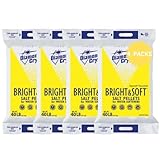


Last update on 2025-12-20 / Affiliate links / Images from Amazon Product Advertising API
Read More:
- Best Sandbags 2026: Top 10 Expert Picks
- Best Small Handheld Vacuums 2026: Top Picks
- Best Roach Killer for Pets 2026: Safe Top Picks
- Best Professional Car Detailing Products 2026
- Best Pressure Washer Gutter Cleaners 2026: Top Picks
All Natural Solar Salt. Designed as a Premium Grade Salt for Water Softener. 50 Pound Bag Review
Introduction
If you’re dealing with hard water issues at home, a reliable water softener salt is essential. This all-natural solar salt, packaged in a hefty 50-pound bag, stands out as a premium option for water softener systems. It’s crafted through natural evaporation processes, offering a pure alternative that’s both effective and budget-friendly, making it worth considering for households seeking consistent soft water without synthetic additives.
Key Features
- 99.6% Purity: Exceptionally clean solar salt crystals ensure optimal performance in softening hard water.
- Natural Production: Formed using sun, wind, and time, providing an eco-friendly choice free from artificial processing.
- Cost-Effective: More affordable than many pellet salts or potassium alternatives while delivering comparable results.
- Distinct Appearance: White, opaque crystals that are easy to spot and suitable for all water softener types.
- Reduced Residue: Coarse texture helps prevent brine tank buildup, keeping your system cleaner longer.

Pros and Cons
- Pros: Highly pure and natural; excellent value for money; minimizes maintenance issues; works well in most systems.
- Cons: 50-pound bag can be heavy to handle alone; crystals may dissolve slightly slower than finer pellets in high-demand setups; requires dry storage to avoid clumping.
Performance & User Experience
In everyday use, this solar water softener salt effectively reduces mineral buildup, leading to softer water for laundry, showers, and appliances. Users often report fewer refills and cleaner tanks compared to evaporated salts. The coarse crystals bridge less than finer options, though initial loading takes effort due to the bag’s size. Overall, it provides reliable regeneration cycles with minimal residue, enhancing system longevity.
Who Is This Product For?
This product suits homeowners with moderate to hard water who prioritize natural, affordable solutions. It’s ideal for those with standard water softeners seeking low-maintenance salt that doesn’t compromise on purity. Budget-conscious families or eco-friendly users will appreciate its value, but those needing quick-dissolving formulas for high-usage homes might look elsewhere.
Final Verdict
This all-natural solar salt offers strong performance as a premium water softener salt at a competitive price. Its purity and residue-minimizing qualities make it a solid choice for most users, though bag handling could be a drawback. If natural ingredients and cost savings align with your needs, it’s a worthwhile addition to your softener routine.
3 Pack Clean and Protect Water Softener Salt Pellets – (40 lb Bags, 120 lbs Total) – Reduces Scale, Softens Hard Water, Appliance Efficiency, Compatible with Water Systems Review
Introduction
If you live in an area with hard water, maintaining your water softener is essential for protecting appliances and enjoying softer water. The 3 Pack Clean and Protect Water Softener Salt Pellets offers 120 lbs total in three 40 lb bags, formulated to reduce mineral buildup and support efficient softening systems. It’s a practical choice for households seeking reliable, compatible salt pellets without frequent refills.
Key Features
- Three 40 lb bags with sturdy handles and easy-tear openings for simple handling and pouring.
- Sodium chloride pellets that dissolve evenly, preventing bridging or mushing in the brine tank.
- Reduces calcium and magnesium scale, safeguarding pipes, water heaters, and laundry machines.
- Compatible with all major water softener brands, suitable for city or well water.
- Promotes better cleaning results, softer skin and hair, and extended appliance life.

Pros and Cons
Pros:
- Cost-effective bulk supply lasts several months for average households.
- Minimizes maintenance by cleaning the system as it softens water.
- User-friendly design simplifies loading into the softener tank.
Cons:
- Sodium chloride only—not ideal for those preferring potassium-based options.
- 40 lb bags may be heavy for individuals with limited strength.
- Requires dry storage to avoid clumping before use.
Performance & User Experience
In everyday use, these water softener salt pellets perform steadily, dissolving without residue to deliver consistent soft water. Homeowners note fewer spots on dishes, brighter laundry, and less soap scum in showers. Over time, they help cut down on plumbing repairs by tackling scale early. The pellets’ clean formula avoids common issues like tank bridging, making refills straightforward even for beginners.
Who Is This Product For?
This product suits homeowners with hard water problems, families prioritizing appliance longevity, and anyone using standard sodium-compatible softeners. It’s great for moderate to large households needing bulk refills, but less so for those on low-sodium diets or with very small systems.
Final Verdict
The 3 Pack Clean and Protect Water Softener Salt Pellets is a dependable, no-frills option for effective water softening. It balances value, ease, and performance well, though consider your specific needs like bag weight or salt type. Worth trying if hard water affects your home routine.
(4 Pack) Water Softener Salt Crystals – Natural High-Purity Salt for Softer Skin, Reduced Buildup, Easy Cleaning – 40 lb Each Bag with Handle, 160 lb Total Review
Introduction
If you live in an area with hard water, finding reliable water softener salt crystals can make a big difference in daily life. This 4-pack of 40 lb bags offers 160 lbs total of high-purity, natural sodium chloride salt designed for all water softener systems. It’s worth considering for its promise of softer water, reduced mineral buildup, and easier household cleaning without harsh chemicals.
Key Features
- High-purity, all-natural salt crystals that effectively regenerate water softeners.
- Promotes softer skin and hair by minimizing the drying effects of hard water.
- Reduces scale buildup in pipes and appliances, helping extend their life.
- Makes cleaning simpler with spot-free dishes, glasses, and fixtures.
- Each bag includes a sturdy handle and easy-tear top for convenient handling and pouring.
- Universal compatibility with any water softener model.
Pros and Cons
- Pros: Excellent value with four bags; natural composition; user-friendly design; noticeable improvements in water quality and cleaning.
- Cons: Bags are heavy (40 lbs each), requiring some strength to maneuver; requires regular replenishment based on household usage; may leave residue if not fully dissolved in certain systems.

Performance & User Experience
In everyday use, these salt crystals dissolve efficiently, leading to consistently soft water that leaves laundry feeling fresher and showers more refreshing. Users often report fewer soap suds needed and less limescale on faucets after a few weeks. The handles make refilling straightforward, though storing multiple bags requires ample space. Overall, it delivers reliable performance for medium to large households dealing with moderate to hard water.
Who Is This Product For?
This is ideal for homeowners with water softener systems in hard water regions, families seeking natural alternatives to reduce appliance wear, and anyone tired of stubborn water spots on dishes or dry skin from showers. It’s not suited for those without softeners or very low water usage.
Final Verdict
These water softener salt crystals provide a solid, natural option for maintaining soft water benefits without gimmicks. The bulk 4-pack offers good value, though plan for storage and handling. If hard water issues plague your home, it’s a practical choice that delivers on its claims.
Read More:
- Best Propane Smokers 2025 — Top Picks & Reviews
- Best Smokers Under 300 in 2025 — Top-Rated Picks
- Best Two Stage Central Air Conditioners 2025 – Top Picks
- Backyard Shed Workshop Ideas 2026 — Transform Your Space
- Artificial Turf Sweeper Review Roll and Comb 602QGUS 2026
Buying Guide: How to Choose the best salt for water softener
Types of Salt for Water Softeners
Water softener salts come in several types, including evaporated salt, solar salt, and rock salt, each processed differently to suit regeneration needs. Evaporated salt offers high purity from underground sources, while solar salt uses evaporated seawater and may contain more minerals. Rock salt, mined directly, is less refined and often cheaper but can leave residues.
Choosing the right type depends on your softener’s design and water hardness. High-purity options work best for efficient ion exchange, reducing buildup over time. Consider how these differences impact long-term performance when selecting the best salt for water softener.
Understanding these categories helps you match salt to your system’s requirements, ensuring smoother operation without frequent clogs or inefficiencies.
Purity and Performance Factors
Purity levels, measured by low insoluble content, directly affect how well salt regenerates your softener’s resin beads. Salts with 99.5% or higher purity minimize residue, preventing bridging where salt crusts block water flow. Look for specs on insoluble percentages to gauge performance.
Capacity refers to how much softening each pound provides, influenced by sodium chloride content. Higher purity means more effective regeneration cycles, potentially extending time between refills. This factor is key in how to choose best salt for water softener for your household size.
Performance also ties to dissolution speed; finer crystals dissolve faster but may clump if not managed well. Evaluate these for consistent softening without wasting salt.
Crystal Form and Size
Salt crystals vary in form—pellets, nuggets, or fine grains—affecting handling and dissolution. Pellets resist bridging in humid environments, ideal for damp basements, while crystals dissolve quicker for faster regeneration.
Size impacts usability; larger forms pour cleanly with less dust, reducing mess during loading. Smaller grains suit systems needing rapid mixing but require dry storage to avoid mushing.
Select based on your softener’s brine tank design—what to look for in best salt for water softener includes matching crystal type to avoid operational issues like uneven regeneration.
Ease of Use and Handling
Ease of use starts with low-dust formulations that pour smoothly without spilling or clouding the air. User-friendly salts feature consistent sizing for simple loading, even for those new to maintenance.
Setup involves checking bag design for spill-proof pouring and weight suitability for solo handling. Lighter, ergonomic packaging makes refilling less strenuous, especially in tight spaces.
These aspects build confidence for typical users, ensuring the best salt for water softener fits your routine without added hassle.
Maintenance Requirements
Low-maintenance salts have minimal insolubles to prevent mushing or bridging, reducing cleaning frequency. Regular checks for residue become easier with high-quality options that maintain clear brine tanks.
Upkeep effort varies; some require dry storage to avoid clumping, while others tolerate humidity better. Factor in how often you’ll need to inspect or clean based on salt specs.
Prioritizing this ensures long-term reliability, helping you choose wisely in this best salt for water softener buying guide.
Safety and Efficiency Considerations
Safety features include food-grade purity to avoid contaminants leaching into water, plus low dust for respiratory comfort during handling. Non-toxic compositions protect household use.
Efficiency relates to salt usage per regeneration—higher purity lowers overall consumption and operating costs. This affects your budget over time without compromising softening power.
Balanced choices here promote safe, cost-effective operation tailored to everyday needs.
Durability and Reliability
Build quality in salt means uniform crystals resistant to degradation, ensuring consistent performance across batches. Durable formulations withstand storage without quality loss.
Reliability comes from manufacturing standards guaranteeing low variability, backed by quality testing. While salts lack traditional warranties, consistent purity signals dependable supply.
Customer support from suppliers can offer guidance on usage, reinforcing trust in your selection process.
FAQs
What type of salt works best for water softeners?
Water softeners typically perform well with high-purity salts like evaporated or solar varieties in pellet, crystal, or block forms. The best salt for water softener depends on your system’s design and water hardness level. Pellets dissolve evenly and reduce bridging, while crystals are cost-effective for larger tanks. Always check your softener manual for compatibility to avoid clogs or residue buildup. Using the right salt ensures efficient regeneration and consistent soft water output without excessive maintenance.
Can I use table salt or rock salt in a water softener?
Table salt and rock salt are not recommended for water softeners due to impurities like iodine or anti-caking agents that can clog valves and resin beds. The best salt for water softener is formulated specifically for these systems, offering 99%+ purity to prevent mushing or bridging. Opt for dedicated softener salts to maintain performance and longevity. If unsure, test small amounts first, but sticking to approved types avoids costly repairs and ensures reliable softening.
How often should I add salt to my water softener?
Salt addition frequency varies by household size, water usage, and hardness—typically every 4-6 weeks for average homes. Monitor the salt level indicator or low-salt alarm on your unit. The best salt for water softener, such as low-residue pellets, lasts longer and minimizes refills. Overfilling can cause issues, so add only when below halfway. Regular checks keep the system regenerating properly, delivering soft water without interruptions or excess sodium in the brine.
What causes salt bridges in water softeners and how to fix them?
Salt bridges form when salt crusts over the water line, preventing dissolution and halting regeneration. Humid environments or fine-grained salts contribute. The best salt for water softener, like larger pellets or crystals, reduces bridging risk. To fix, gently break the bridge with a broom handle—avoid metal tools—then refill and test. Prevention involves using compatible salt and occasionally probing the tank. This maintains efficiency and avoids hard water symptoms.
Is potassium chloride a good alternative to salt for water softeners?
Potassium chloride serves as a sodium alternative for water softeners, ideal for low-sodium diets or brackish water areas. It regenerates resin similarly but may require 10-15% more by volume. The best salt for water softener includes potassium options for specific needs, though it’s often pricier. Check system compatibility, as not all units handle it equally. It produces softer rinse water but consult a professional for conversion to ensure optimal performance without residue issues.
Conclusion
This article has explored key factors in selecting salt for water softeners, including types like pellets, crystals, and blocks, purity levels, and dissolution properties. Understanding your water hardness, household size, and system requirements helps identify suitable options. There is no single best salt for water softener that fits every situation—choices depend on individual needs such as tank size, maintenance preferences, and environmental factors.
Refer back to the buying guide for decision-making criteria and the comparison section for side-by-side insights. By considering these elements, you can make an informed choice that supports efficient operation and long-term reliability. Approach the selection thoughtfully to achieve consistent soft water tailored to your home.