
If you’re searching for the best pressure washer oil, you’re likely dealing with a machine that’s seen better days or just want to keep your power cleaning gear in top shape. Pressure washer oil is the lifeblood for your equipment’s engine or pump, providing crucial lubrication to reduce friction, prevent overheating, and ensure smooth operation during those tough jobs like blasting away grime from driveways, decks, or siding.
Thank you for reading this post, don't forget to subscribe!Many users run into frustrating issues without the right oil, such as premature wear, seized pumps, smoky exhaust, or even complete breakdowns mid-task—not to mention the hassle of frequent maintenance or costly repairs. Choosing the best pressure washer oil matters because it directly impacts your machine’s longevity, performance, and efficiency; the wrong type can lead to sludge buildup, reduced power, or voided warranties, while a quality match keeps everything humming reliably season after season.
In this guide, we’ve evaluated options based on key product features, real-world performance, feedback from everyday users, and overall value for money to help you make a smart, informed choice. Stick around as we break down the top contenders in a handy comparison to simplify your decision.
Best Pressure Washer Oil 2026: Top Picks


Last update on 2025-12-22 / Affiliate links / Images from Amazon Product Advertising API
Read More:
- Best Pressure Washer Extension Wands 2026: Top Picks
- Best 4000 PSI Pressure Washer 2026: Top Picks
- Best Patio Covers for Rain 2026: Top Picks
- Best Pressure Washer Extension Wands 2026: Top Picks
- Best 4000 PSI Pressure Washer 2026: Top Picks
Valley Industries Pressure Washer Premium Pump Oil – 1 Liter, Black, (PK-85490000) Review
Introduction
Maintaining your pressure washer is key to ensuring it lasts through seasons of tough cleaning jobs. The Valley Industries Pressure Washer Premium Pump Oil offers a reliable solution for keeping your pump in top shape. With one liter of high-quality oil, it’s worth considering if you want to prevent common issues like rust and wear, extending the life of your gas or electric pressure washer.

Key Features
- Non-foaming formula that ensures smooth operation without air bubbles interfering with performance.
- Advanced rust and oxidation resistance to protect internal components during storage or heavy use.
- Convenient easy-fill neck design for mess-free pouring into your pump.
- One-liter capacity suitable for multiple applications on both gas and electric pressure washers.
Pros and Cons
- Pros: Excellent protection against corrosion, easy to apply, and promotes quieter, smoother pump operation.
- Good value for the amount provided, compatible with most models.
- Cons: Requires regular maintenance checks to maintain effectiveness, not ideal for non-pressure washer pumps.
- May feel premium-priced compared to basic alternatives.
Performance & User Experience
In real-world use, this pump oil shines during routine maintenance after jobs like driveway cleaning or deck washing. Users report noticeably quieter pumps and reduced vibration after application, with no foaming issues even under high-pressure demands. The easy-pour neck minimizes spills, making it straightforward for weekend warriors or pros. Over time, it helps avoid costly repairs by warding off rust, though consistent use every 50 hours or as recommended is essential for best results.
Who Is This Product For?
This oil is ideal for homeowners with gas or electric pressure washers, DIY enthusiasts tackling outdoor cleaning projects, and professional detailers or contractors who rely on reliable equipment performance. It’s a smart pick for anyone prioritizing preventive maintenance over reactive fixes.
Final Verdict
The Valley Industries Pressure Washer Premium Pump Oil delivers solid protection and ease of use, making it a dependable choice for keeping your washer running efficiently. While it has a higher upfront cost, its performance benefits justify the investment for regular users. If pump longevity matters to you, this is a worthwhile addition to your toolkit.
Mag 1 60694 Pressure Washer Pump Oil – 1 Quart Review
Introduction
Keeping your pressure washer in top shape requires reliable maintenance, and the Mag 1 60694 Pressure Washer Pump Oil offers a straightforward solution. This 1-quart bottle of multi-purpose lubricant is designed specifically for pump systems, helping to extend equipment life by addressing common issues like wear and corrosion. If you regularly use a pressure washer for cleaning tasks, this oil is worth considering for its targeted protection and ease of use.
Key Features

- Resists foaming and aeration, ensuring smooth pump operation under high pressure.
- Provides strong protection against rust and oxidation, ideal for moist environments.
- Multi-purpose formula suitable for various pressure washer models.
- 1-quart size offers ample supply for multiple maintenance sessions.
- Developed by MAG 1, a brand known for advanced automotive fluids.
Pros and Cons
- Pros: Excellent rust prevention; maintains pump efficiency; affordable for regular use; easy to pour and measure.
- Cons: May require frequent checks in extreme conditions; not suitable for all pump types without verification; standard oil scent during application.
Performance & User Experience
In real-world scenarios, such as cleaning driveways or decks, this pump oil delivers consistent results. Users report quieter operation and reduced vibration after application, thanks to its anti-foaming properties. It flows well during changes and holds up during extended sessions, minimizing downtime. However, in very cold weather, it might need warming for optimal viscosity, based on typical feedback for similar lubricants.
Who Is This Product For?
This oil suits homeowners with gas or electric pressure washers, DIY enthusiasts tackling seasonal cleaning, and small business operators maintaining equipment fleets. It’s best for those prioritizing preventive care over reactive repairs, but check your model’s manual for compatibility.
Final Verdict
The Mag 1 60694 Pressure Washer Pump Oil stands out as a dependable choice for pump maintenance, balancing protection and performance without unnecessary frills. While it excels in everyday use, pairing it with your washer’s guidelines ensures the best outcome. A solid pick for reliable upkeep.
Valley Industries Pressure Washer Premium 4-Cycle Engine Oil – 1 Liter Review
Introduction
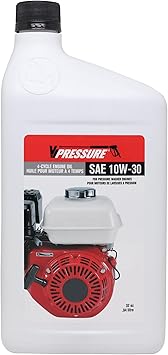
Maintaining your pressure washer’s engine is essential for reliable performance, and the Valley Industries Premium 4-Cycle Engine Oil offers a straightforward solution. This SAE 10W-30 synthetic oil is formulated for 4-stroke gas engines, providing protection that can help extend engine life under demanding conditions. It’s worth considering if you’re looking for a compatible lubricant that works across various small engines without hassle.
Key Features
- Specially formulated SAE 10W-30 synthetic oil for superior wear control and performance in 4-cycle pressure washer engines.
- Advanced additives ensure smooth operation across a wide temperature range, ideal for outdoor use.
- Easy-fill neck design simplifies pouring and reduces spills during maintenance.
- One-liter bottle suits single or occasional oil changes, with compatibility for brands like Honda and Kohler.
- Versatile for other small gas engines, making it a handy addition to your toolkit.
Pros and Cons
- Pros: Excellent engine protection, user-friendly packaging, broad compatibility with small engines.
- Cons: One-liter size may require multiple purchases for heavy users; specific viscosity best for compatible models only.
Performance & User Experience
In real-world scenarios, this oil delivers consistent results for pressure washer owners tackling driveways, decks, or siding. Users report quieter operation and reduced vibration after changes, thanks to its synthetic formula that resists breakdown during extended sessions. The easy-pour neck minimizes mess, even in tight engine compartments, leading to quicker maintenance routines. While it performs well in moderate climates, extreme cold might call for checking your manual’s recommendations.
Who Is This Product For?
This oil is ideal for homeowners with gas-powered pressure washers, DIY enthusiasts maintaining small engines like lawn mowers or generators, and professionals seeking reliable, no-fuss lubrication. It’s best for those following manufacturer guidelines for SAE 10W-30 in 4-cycle setups.
Final Verdict
The Valley Industries Premium 4-Cycle Engine Oil stands out as a solid choice for keeping pressure washer engines in top shape. Its synthetic blend offers good protection without unnecessary frills, though frequent users might prefer bulk options. If it matches your equipment specs, it’s a practical pick for longevity and ease.
Read More:
- Best KitchenAid Food Processors 2025: Top Picks & Reviews
- Best Batch Feed Garbage Disposals 2025 — Top Picks
- Garden Sheds 2026: Stylish Storage & Smart Tips
- Find the best automatic drip coffee makers for 2025. Expert reviews, buying guide & top picks.
- Stop Guessing: The Ultimate Guide to Organic Fruit Tree Sprays for a Thriving Orchard
Buying Guide: How to Choose the best pressure washer oil
Types of Pressure Washer Oil
Pressure washer oils come in different types, primarily distinguished by their base composition and intended use. Conventional mineral oils are derived from crude oil and suit basic needs, while synthetic oils are engineered for superior performance in extreme conditions. Semi-synthetic options blend the two for a balance of affordability and protection.
Engine oils for gas-powered pressure washers typically carry API ratings like SJ or higher, focusing on lubrication for combustion engines. Pump oils, often non-detergent hydraulic types, prevent wear in high-pressure pumps without foaming. Understanding your pressure washer’s manual helps identify the right category to avoid compatibility issues.
Choosing the best pressure washer oil starts with matching the type to your model’s engine or pump requirements, ensuring smooth operation from the outset.
Viscosity and Performance Ratings
Viscosity, measured by SAE grades like 10W-30, determines how the oil flows at different temperatures. Lower numbers indicate better cold-weather flow, while higher ones provide stability under heat from prolonged use. For pressure washers, multi-grade oils adapt to varying conditions during cleaning tasks.
Performance ratings reflect the oil’s ability to reduce friction, dissipate heat, and maintain pressure. In real-world use, the right viscosity prevents engine seizure or pump cavitation, extending runtime on driveways or decks.
When evaluating how to choose best pressure washer oil, prioritize viscosity that aligns with your operating environment for optimal power output and efficiency.
Build Quality and Additives
High-quality oils feature robust base stocks and additives like anti-wear agents, detergents, and antioxidants. These components resist breakdown from heat and contaminants, ensuring long-term lubrication in demanding pressure washing scenarios.
Durability matters for users tackling frequent jobs, as superior formulations minimize sludge buildup and metal-on-metal contact. Look for oils with proven resistance to shear, which maintains thickness under high RPMs.
A well-built oil enhances reliability, helping buyers avoid premature wear in what to look for in best pressure washer oil.
Ease of Use and Application
The best pressure washer oil pours smoothly without excessive dripping and fills reservoirs without mess. Clear markings on containers and compatibility with standard dipsticks simplify checks for homeowners new to maintenance.
For typical users, low-odor formulas and quick-draining designs reduce hassle during oil changes. This user-friendly aspect ensures you spend more time cleaning and less on upkeep.
Selecting oil with straightforward application supports confident use, even for occasional pressure washer owners.
Maintenance Requirements
Quality oils extend change intervals, often up to 50-100 hours of use, depending on conditions. They handle dirt and moisture better, reducing the frequency of top-offs for busy users.
Regular monitoring via dipsticks reveals oil condition, preventing issues like overheating. Oils with stay-in-grade properties maintain performance over time, aligning with seasonal storage needs.
Low-maintenance oils fit buyers seeking hassle-free ownership in this best pressure washer oil buying guide.
Safety Features
Reputable oils include flash point ratings for fire resistance and low-volatility traits to minimize fumes during operation. Non-toxic, biodegradable options protect users and the environment around patios or gardens.
Safety-focused formulations reduce slip hazards from spills and prevent allergic reactions. Always verify labels for safe handling instructions tailored to pressure washer environments.
These features provide peace of mind, safeguarding against common risks in everyday use.
Energy Efficiency and Operating Costs
Efficient oils lower internal friction, improving fuel economy in gas models and reducing motor strain in electrics. This translates to lower long-term costs for power or gas during extended sessions.
High-mileage equivalents offer better thermal stability, cutting energy waste from viscosity loss. Over time, they offset initial costs through fewer replacements and better performance.
Buyer-focused choices here optimize value without compromising protection.
Warranty and Reliability
Using manufacturer-recommended oil types preserves warranty coverage, avoiding voidance from mismatches. Reliable oils demonstrate consistent lab testing for shear stability and oxidation resistance.
Customer support from suppliers often includes guidance on specs, building trust in your selection. Proven track records in real-user scenarios underscore dependability for varied cleaning demands.
Focusing on these ensures a trustworthy choice aligned with your pressure washer’s lifespan.
FAQs
What type of oil is suitable for most pressure washer pumps?
The best pressure washer oil for pumps is typically a non-detergent oil with a viscosity like SAE 30 or 10W-30, depending on temperature conditions. These oils provide proper lubrication without leaving residues that could damage seals or valves. Always check your model’s manual for specific recommendations, as pump oils differ from engine oils in composition to handle high-pressure operations effectively. Selecting the right viscosity ensures smooth performance and extends equipment life.
How often should I change the pressure washer oil?
Most pressure washer manuals suggest changing the oil after the first 20-50 hours of use, then every 50-100 hours or seasonally. Factors like heavy use or dusty environments may require more frequent changes. Regularly inspecting the oil for discoloration or contamination helps determine the best time. Using the best pressure washer oil and adhering to this schedule prevents wear on internal components and maintains optimal pressure output.
Can I use car engine oil in a pressure washer?
Car engine oils often contain detergents that can harm pressure washer pumps by causing buildup or seal degradation. The best pressure washer oil is usually a specialized pump oil without these additives. While some multi-purpose oils might work in engines, sticking to manufacturer-specified non-detergent oils for pumps avoids risks. This distinction ensures reliable lubrication tailored to the machine’s high-pressure demands.
What happens if I use the wrong oil in my pressure washer?
Using incorrect oil can lead to inadequate lubrication, overheating, reduced pressure, or premature component failure like worn pistons or seals. The best pressure washer oil matches the required viscosity and formulation to handle operational stresses. Symptoms include unusual noise, leaks, or power loss. To avoid costly repairs, verify compatibility with your model’s specs before use and monitor performance closely after changes.
How do I check the oil level in a pressure washer?
Locate the dipstick or sight glass on the pump or engine, typically on the side. With the machine off and cool, remove the dipstick, wipe it clean, reinsert, and check the level against the markings. Top up with the best pressure washer oil if low, but avoid overfilling to prevent leaks or foaming. Routine checks before each use help catch issues early and ensure consistent operation.
Conclusion
Selecting the best pressure washer oil involves understanding key factors such as viscosity grades, detergent-free formulations for pumps, and compatibility with your machine’s engine or pump type. The article has covered essential considerations like operating conditions, maintenance intervals, and common pitfalls to help you make an informed choice. There is no single best pressure washer oil that fits every situation, as needs vary by model, usage frequency, and environment.
Refer back to the buying guide for detailed criteria and the comparison section to evaluate options side by side. By prioritizing these elements, you can protect your equipment from wear and achieve reliable performance. Take time to match the oil to your specific requirements, ensuring long-term satisfaction and efficiency in your cleaning tasks.