
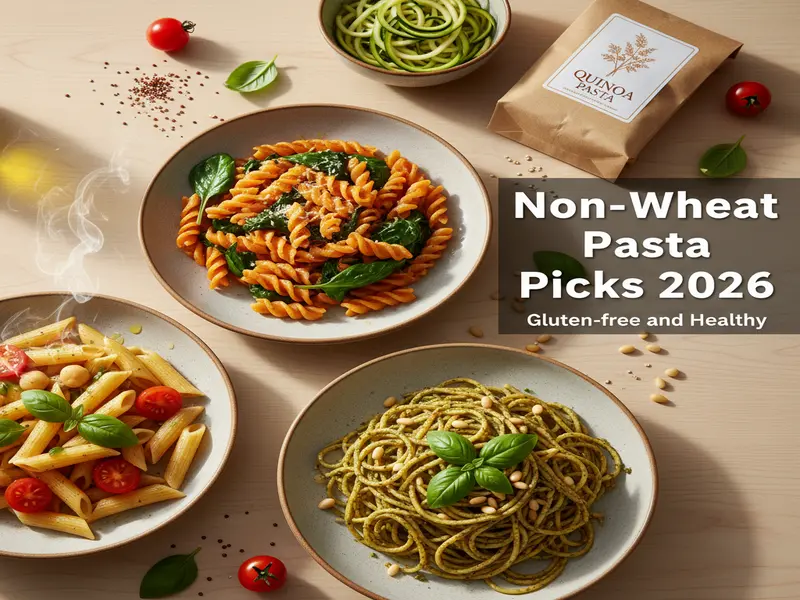
Searching for the best non wheat pasta can feel overwhelming, especially with so many ingredients and textures to choose from. Non-wheat pasta is used as a gluten-free or grain-free alternative for everyday dishes, swaps in family recipes, and to accommodate wheat allergies, gluten sensitivity, or simply a desire for different nutrition profiles and flavors.
Thank you for reading this post, don't forget to subscribe!Buyers commonly struggle with confusing ingredient lists, pastas that fall apart or turn mushy, poor sauce cling, limited texture options, and uncertainty about nutritional value. Choosing the right non-wheat pasta matters because the wrong choice can ruin a meal, cause digestive discomfort for sensitive eaters, or leave you paying for products that don’t meet your taste and cooking expectations.
This guide takes an informative, balanced approach and is based on product features, real-world performance, real user feedback, and value for money to help you make a practical choice. It’s meant to help you compare texture, cooking behavior, ingredient transparency, and overall satisfaction without making medical or professional claims; this is not medical, legal, or professional advice. Read on for a clear comparison table and a curated product list to match common needs and cooking styles.
Best Non Wheat Pasta Picks 2026 — Healthy, Tasty Options


Last update on 2025-12-20 / Affiliate links / Images from Amazon Product Advertising API
Read More:
- Best Olive Oil to Drink 2026: Top Tastes & Health Picks
- Best Organic Bug Spray 2026: Safe, Effective Picks
- Best Mosquito Repellent Wipes 2026: Top Safe Picks
- Best Mic for YouTube Vlogging 2026: Top Picks & Tips
- Best Merino Wool Socks for Summer 2026 — Cool & Comfy
365 by Whole Foods Market, Organic Whole Wheat Spaghetti, 16 Ounce Review
Introduction
The 365 by Whole Foods Market Organic Whole Wheat Spaghetti offers a wholesome twist on traditional pasta. Made from organic durum whole wheat flour and crafted in Italy, this spaghetti caters to those who appreciate quality ingredients and the benefits of whole grains. It’s an excellent choice for anyone looking to incorporate more fiber into their diet without sacrificing taste or texture.

Key Features
- Made from organic durum whole wheat flour grown sustainably in Italy
- Excellent source of fiber and whole grains, supporting digestive health
- Traditional cord-like shape designed to hold tomato or oil-based sauces well
- Contains no artificial additives, aligning with Whole Foods’ strict ingredient standards
- 16-ounce package size suitable for family meals or meal prepping
Pros and Cons
- Pros: Organic and sustainably sourced ingredients; high fiber content; authentic Italian pasta quality; versatile with different sauces; free from artificial preservatives and additives.
- Cons: Cook time may be slightly longer than regular pasta due to whole wheat; firmer texture may not suit everyone’s preference.
Performance & User Experience
This spaghetti performs consistently well when cooked al dente, offering a firm yet tender bite that holds sauces beautifully. Its whole wheat composition provides a nuttier flavor profile compared to traditional refined pasta, adding depth to your dishes. Users report that it pairs excellently with both hearty tomato sauces and lighter olive oil-based recipes. While it requires careful timing to avoid overcooking, it generally retains its shape and texture well.
Who Is This Product For?
This organic whole wheat spaghetti is ideal for health-conscious individuals seeking higher fiber intake through natural foods. It suits vegetarians, whole food enthusiasts, and anyone wanting to replace refined pasta with a more nutritious alternative without compromising flavor. Additionally, those who support sustainable agriculture will appreciate the product’s ethical sourcing.
Final Verdict
Overall, the 365 by Whole Foods Market Organic Whole Wheat Spaghetti is a reliable and nutritious option for pasta lovers. Its organic certification and commitment to quality make it stand out in the crowded pasta market. While the firmer texture might take some getting used to, it delivers excellent taste and versatility for various recipes. If you want a healthier, sustainably sourced spaghetti that complements both simple and complex dishes, this product is worth considering.
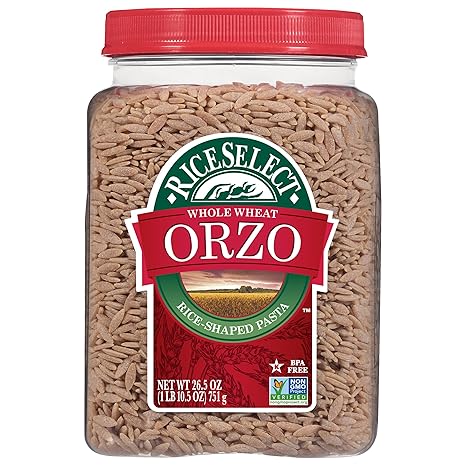
RiceSelect Whole Wheat Orzo Rice-Shaped Pasta, Non-GMO, Vegan, 1.66 Pound (Pack of 1) Review
Introduction
RiceSelect Whole Wheat Orzo offers a versatile and nutritious option for home cooks looking to add a wholesome twist to their meals. This rice-shaped pasta, made from 100% enriched whole wheat durum semolina, combines traditional texture with modern dietary needs, including non-GMO and vegan certification. Whether you’re aiming to enrich soups, salads, or casseroles, this orzo is a pantry staple worth considering for its quality and wide culinary potential.
Key Features
- Made from 100% enriched whole wheat durum semolina for a hearty, wholesome texture.
- Non-GMO Project Verified and Certified Kosher by Star K, suitable for various dietary preferences.
- Contains 8 grams of protein and 4 grams of dietary fiber per serving, supporting balanced nutrition.
- Versatile usage options including soups, salads, casseroles, and side dishes.
- Comes in a BPA-free, recyclable jar with a resealable lid for convenient storage.
- Low in fat, cholesterol, and sodium, with no added preservatives or additives.
Pros and Cons
- Pros: Nutritious whole wheat pasta with good protein and fiber content; versatile for many recipes; suitable for vegans and vegetarians; non-GMO and kosher certified; easy to store in resealable jar.
- Cons: Slightly longer cooking time compared to regular pasta; texture may be denser than traditional white pasta, which might require recipe adjustments.
Performance & User Experience
When cooked properly, RiceSelect Whole Wheat Orzo delivers a pleasant chewy texture that complements a variety of dishes. It holds up well in soups and stews without becoming mushy, and its subtle nutty flavor pairs nicely with Mediterranean and vegetable-forward recipes. The cooking instructions are straightforward, making it easy even for beginners to achieve tender results. Users appreciate the product’s ability to enhance meals with added fiber and protein while maintaining a satisfying mouthfeel.
Who Is This Product For?
This whole wheat orzo is ideal for health-conscious individuals, including vegans and vegetarians, who want to incorporate more whole grains into their diet. It’s perfect for home cooks seeking a versatile pasta alternative that fits into gluten-aware but not gluten-free diets, and for anyone interested in non-GMO verified, kosher-certified pantry staples. If you enjoy experimenting with Mediterranean-style dishes or wholesome comfort foods, this orzo will serve you well.
Final Verdict
RiceSelect Whole Wheat Orzo is a reliable, nutritious addition to any kitchen, offering both health benefits and culinary flexibility. Its high-quality whole wheat composition and certifications provide peace of mind, and its flavor and texture work well across numerous recipes. While it requires slightly more attention during cooking, the result is a filling, tasty dish that can easily elevate everyday meals. For those looking to diversify their pasta options with a wholesome, vegan, and non-GMO product, this orzo is a smart choice.
Papa Vince Organic Whole Wheat Spaghetti Noodles – Made in Italy, Non-Enriched, No Folic Acid – Organic Ancient Grain Pasta, Non-GMO, Artisan Bronze Die Cut, Slow Dried for Perfect Texture Review
Introduction
Papa Vince Organic Whole Wheat Spaghetti Noodles stand out as an authentic, nutrient-rich pasta option for those who appreciate traditional Italian craftsmanship combined with modern health-conscious choices. Made from heirloom ancient grains grown in Sicily, this pasta is non-GMO, non-enriched, and free from added folic acid, preserving the natural integrity of the wheat. If you’re seeking a wholesome alternative to conventional pasta without compromising on texture and flavor, this product is definitely worth considering.
Key Features
- 100% whole wheat spaghetti made from ancient grains, offering a richer nutritional profile than modern wheat varieties.
- Cold-stone milled durum wheat preserves heat-sensitive nutrients such as natural proteins, omega-3s, and fiber.
- Slow-dried over three days to maintain natural starch, vitamins, and antioxidants, resulting in better texture and flavor.
- Traditional artisan bronze die-cut surface gives the noodles a rough texture that helps sauce adhere perfectly.
- Rich in naturally occurring B-complex vitamins essential for energy production and metabolism.
- Non-enriched and free from synthetic folic acid, catering to consumers seeking organic and unfortified food options.

Pros and Cons
- Pros: Superior nutrient retention due to cold-stone milling and slow drying; authentic Italian taste and texture; excellent sauce absorption thanks to bronze die-cutting; organic and non-GMO ingredients; no added folic acid or synthetic fortification.
- Cons: Slightly higher price point compared to mass-produced pasta; longer cooking time due to slow drying; may not appeal to those preferring enriched or fortified pasta varieties.
Performance & User Experience
In real-world cooking, Papa Vince Organic Whole Wheat Spaghetti Noodles perform exceptionally well. The slow-drying process ensures the noodles hold their shape without becoming mushy, making them ideal for a variety of dishes from classic spaghetti Bolognese to vegan Alfredo-style recipes. The bronze die-cut surface allows sauces to cling beautifully, enhancing flavor with every bite. Users frequently note a pleasantly nutty, earthy flavor distinct from regular pasta, alongside a firm yet tender bite that complements both simple and complex sauces.
Who Is This Product For?
This pasta is perfect for health-conscious food lovers who value organic, nutrient-dense ingredients and traditional production methods. It suits those who prefer whole grain options without synthetic additives and want authentic Italian pasta texture. Ideal for vegans, vegetarians, and anyone looking to boost their diet with ancient grains rich in fiber, vitamins, and antioxidants. Also great for cooks who enjoy experimenting with plant-based or classic pasta dishes that require superior sauce adherence.
Final Verdict
Papa Vince Organic Whole Wheat Spaghetti Noodles offer a thoughtfully crafted and nutritious alternative to everyday pasta. Their commitment to traditional milling, slow drying, and use of ancient grains results in a product that delivers both health benefits and culinary satisfaction. While the price might be a bit higher, the quality, flavor, and nutritional value make it a worthwhile choice for anyone serious about wholesome eating and authentic Italian pasta experiences.
Read More:
- Best Car Fridge Freezers 2025: Top Picks & Tips
- Best Cordless Leaf Blowers 2025: Top Picks & Reviews
- Best Slim LED Smart TVs 2026: Top Picks & Deals
- Best Mixers 2025: Top Picks for Perfect Drinks
- Best Pressure Washer for Cleaning Concrete 2025 – Top Picks
Buying Guide: How to Choose the best non wheat pasta
Types and categories of non-wheat pasta
Non-wheat pasta comes in several base ingredients—legumes, rice, corn, buckwheat, quinoa and blends—and each type behaves differently in cooking and flavor. Understanding these categories helps you match pasta to dietary needs, recipe styles and personal taste rather than assuming all non-wheat pasta cooks the same.
When deciding how to choose best non wheat pasta, consider whether you want a grain-free option with higher protein and fiber, a naturally mild rice or corn noodle for delicate sauces, or a buckwheat/quinoa option for a nuttier flavor. What to look for in best non wheat pasta includes the ingredient list and whether shapes and textures suit your usual dishes.
Key performance factors: cooking time, yield and texture
Cooking performance is a practical measure of quality: some non-wheat pastas require different boiling times, soak times or lower heat to avoid turning mushy. Pay attention to recommended cooking times and how a pasta holds its shape so portioning and meal timing remain predictable.
Yield and texture affect meal outcomes and how much sauce or ingredients they absorb. If speed and consistent al dente texture matter to your routine, prioritize options that reliably deliver those characteristics in real-world cooking scenarios.
Build quality, materials and long-term durability
For packaged foods, build quality means ingredient purity, processing methods and how shapes hold up during storage and cooking. Higher-quality materials and careful processing usually result in less crumbling, more uniform shapes and steadier cooking performance over time.
Durability also applies to fresh or artisanal non-wheat pastas: consider how well they maintain texture after refrigeration or freezing and whether packaging protects them from moisture. Choosing pastas with stable ingredient lists reduces variation between batches.
Ease of use and setup for typical cooks
Ease of use covers preparation steps, special handling and whether a pasta fits into existing cooking habits. Some non-wheat varieties require pre-soaking or gentle stirring to prevent sticking, while others are drop-in replacements for wheat pasta and are more convenient for busy cooks.
Look for clear, realistic cooking instructions and consider if any equipment—such as larger pots or strainers—is needed. The simpler the setup, the more likely the pasta will be used regularly rather than relegated to occasional meals.
Maintenance requirements and storage
Storage and upkeep influence freshness and food safety. Dry non-wheat pasta often keeps well in cool, dry pantries, while fresh or refrigerated options demand limited storage time and careful sealing to prevent spoilage or moisture damage.
Consider how you plan to store the product and whether you need airtight containers or freezer space. Regular cooks may prefer varieties with longer shelf life to avoid frequent shopping trips and waste.
Usability considerations: handling, serving and comfort
Usability includes how easy pasta is to drain, mix with sauces, and transfer to plates without breaking or sticking. Some shapes and ingredients are more prone to clumping or releasing starch, which affects the final presentation and mouthfeel.
Comfort in preparation also relates to packaging that’s easy to open and pour and instructions that are straightforward. The more intuitive the product, the more consistently it will fit into meal planning and everyday use.
Safety features and allergen protection
Safety for non-wheat pasta buyers primarily means clear allergen labeling and manufacturing practices that reduce cross-contact with wheat or other allergens. Transparent ingredient lists and facility statements help people with celiac disease or wheat sensitivity make safe choices.
Inspect packaging for allergen declarations, certification labels if relevant, and lot codes that allow traceability. These details matter when minimizing health risks and ensuring consistent product sourcing.
Energy efficiency and operating costs
Energy considerations are practical: some non-wheat pastas cook faster or require less water, which can slightly reduce stove time and energy use over many meals. Quick-cooking options may be preferable for households prioritizing lower operating costs and faster meal prep.
Also assess whether preparation methods require additional appliances or prolonged simmering that increases utility use. Balancing cooking time and method against flavor and texture needs helps control ongoing kitchen costs.
Warranty, customer support and reliability
Packaged food doesn’t typically come with warranties, but buyer confidence comes from consistent quality, clear contact information, and responsive customer support if issues arise. Reliable manufacturers provide batch codes and accessible channels for questions or complaints.
When evaluating reliability, look for brands or suppliers that offer clear freshness guarantees, replacement or refund policies, and transparent handling of recalls or quality concerns. That responsiveness helps build trust and reduces risk when trying a new non-wheat pasta.
FAQs
What should I look for when choosing non-wheat pasta?
Look for ingredient transparency, texture expectations, and intended use. Whole-legume, rice, and corn bases differ in protein, fiber and cooking behavior. Prioritize the qualities you value most—texture, nutrition, or allergen safety. The best non wheat pasta for you balances taste and compatibility with your recipes; consult labels and the buying guide to match a product to your needs.
Is non-wheat pasta healthier than regular pasta?
Non-wheat pastas offer different nutrient profiles depending on the base—some have more protein or fiber, others are lower in carbs. Healthiness depends on your diet and goals. There’s no universal healthier choice; choose the best non wheat pasta that aligns with your nutritional priorities and check nutrition labels rather than assuming all non-wheat options are inherently better.
Can I use non-wheat pasta in my favorite pasta recipes?
Yes—many non-wheat pastas work well in sauces and baked dishes, though texture and cooking times may vary. Legume and rice varieties often need gentler handling or slightly different cook times. Follow package directions and adjust sauce thickness or timing to match. Trying a small batch helps determine which best non wheat pasta performs well in your preferred recipes.
How do I cook non-wheat pasta without it falling apart?
Use a large pot with ample boiling water and stir gently during the first minute to prevent sticking. Start checking doneness earlier than you would with wheat pasta, as many non-wheat types cook faster. Avoid overcooking and rinse only when the package suggests. These steps preserve texture and reveal the best non wheat pasta cooking approach for each variety.
Which non-wheat pasta is suitable for gluten intolerance?
Choose products labeled or certified gluten-free if you have celiac disease or high sensitivity. Rice, corn, and legume bases can be naturally gluten-free, but cross-contact during processing matters. Read allergen statements and manufacturing notes. Selecting the best non wheat pasta for gluten intolerance means prioritizing clear labeling and certification rather than assuming all non-wheat options are safe.
Conclusion
This article summarized the main types of non-wheat pastas, their typical cooking behavior, and the practical buying considerations to keep in mind—ingredients, texture, nutrition, and allergen information. We compared how different bases behave in common recipes and offered tips for cooking and label reading. Choosing the right best non wheat pasta depends on individual priorities such as texture preferences, dietary restrictions, and intended recipe use; there is no single best option for everyone. Refer back to the buying guide and comparison sections to weigh trade-offs and narrow choices based on what matters most to you. By addressing realistic concerns like gluten cross-contact and varying cook times, and by checking labels carefully, you can make an informed, confident decision that fits your taste and needs.