

Growing your own vegetables in a raised bed garden is one of the most rewarding ways to enjoy fresh, homegrown produce right from your backyard. But finding the best fertilizer for raised bed vegetable garden can make all the difference in turning that potential into a bountiful harvest. These specialized fertilizers are designed to deliver essential nutrients directly to the soil in your elevated beds, promoting strong root development, vibrant foliage, and plump fruits or veggies without overwhelming the compact space.
Thank you for reading this post, don't forget to subscribe!Many gardeners struggle with common challenges like nutrient-poor fill dirt that drains too quickly, leading to stunted plants, yellowing leaves, or disappointing yields. Raised beds often lack the natural microbial life and organic matter found in ground soil, so plants can quickly deplete what’s available, inviting pests or diseases that wipe out your hard work. Choosing the right fertilizer addresses these issues head-on by providing a balanced mix of nitrogen, phosphorus, potassium, and micronutrients tailored for veggies, ensuring steady growth through every season.
Selecting the best option isn’t just about feeding your plants—it’s about maximizing efficiency in limited space, saving time on troubleshooting, and boosting your confidence as a gardener. This guide draws from in-depth analysis of product features, real-world performance, genuine user feedback, and overall value for money to help you make an informed choice. Keep reading for our handpicked recommendations that cut through the options and get you growing successfully.
Best Fertilizer for Raised Bed Vegetable Garden 2026


Last update on 2025-12-22 / Affiliate links / Images from Amazon Product Advertising API
Read More:
- Best Face Paint Brands 2026: Top Picks
- Best Electronic Pest Control 2026: Top Picks
- Best Electric Testers 2026: Top Expert Picks
- Best Face Paint Brands 2026: Top Picks
- Best Electronic Pest Control 2026: Top Picks
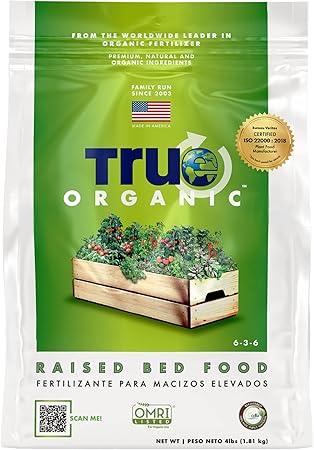
True Organic Raised Bed Food – Organic Fertilizer for Herbs, Flowers, Vegetables & Fruits – 4lb Bag Covers 30 Sq. Ft. Review
Introduction
Gardeners using raised beds often seek fertilizers tailored to their setup, and True Organic Raised Bed Food fits that niche. This organic option nourishes soil for herbs, flowers, vegetables, and fruits, promoting steady growth without synthetic chemicals. It’s worth considering if you prioritize sustainable gardening in contained spaces like raised beds or large pots.
Key Features
- Formulated specifically for raised beds and containers, supporting robust growth of diverse plants.
- Blends natural elements like seabird guano and shellfish meals to deliver nutrients gradually.
- Requires application just every two months in the growing season for consistent feeding.
- Suitable for herbs, veggies, flowers, and fruits, enhancing soil health over time.
- One 4lb bag treats up to 30 square feet, ideal for compact garden areas.
Pros and Cons
- Pros: Fully organic composition appeals to eco-conscious users; simple dosing schedule saves time; improves soil structure for better root development.
- Cons: Coverage limited to smaller beds, potentially needing multiple bags for bigger setups; slower nutrient release compared to synthetics; higher cost per square foot than basic fertilizers.
Performance & User Experience
In practice, this fertilizer shines in raised bed scenarios. Users report healthier foliage and increased yields after a few applications, with soil becoming more friable. It’s straightforward to spread evenly, mixing into topsoil without clumping. Over a season, plants like tomatoes and basil show deeper green leaves and stronger stems, though initial results may lag behind quick-acting alternatives. Gardeners appreciate the low odor and lack of burn risk on young plants.
Who Is This Product For?
This suits home gardeners with small to medium raised beds or containers who grow edibles and ornamentals organically. It’s ideal for beginners wanting hassle-free maintenance or seasoned users committed to soil-building practices, but less so for vast in-ground plots or those seeking instant boosts.
Final Verdict
True Organic Raised Bed Food offers reliable, earth-friendly nutrition for targeted gardening needs. While not the cheapest or fastest option, its balanced formula and ease make it a solid choice for sustainable raised bed success. Consider it if long-term soil health matters more than rapid results.
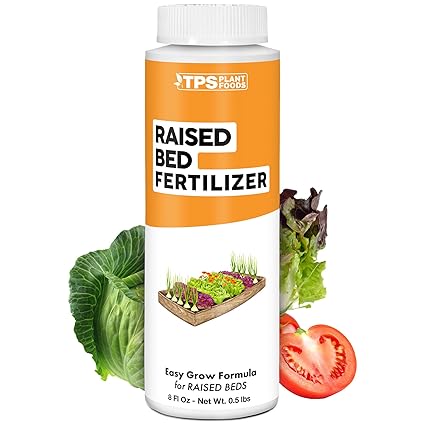
Raised Bed Fertilizer for Vegetables, Herbs, and Flowers, Balanced Nutrients for Container and Box Gardens, Liquid Fertilizer by TPS Plant Foods, 8oz (250ml) Review
Introduction
If you maintain raised beds or container gardens, finding the right fertilizer can make a big difference in plant health. TPS Plant Foods’ Raised Bed Fertilizer is a liquid option designed specifically for vegetables, herbs, and flowers in these setups. Its balanced formula addresses the unique needs of limited soil volumes, making it a practical choice for gardeners aiming for better yields without nutrient guesswork.
Key Features
- Specialized formula for raised beds and containers, supporting root development and overall growth.
- Liquid concentrate for easy mixing and even application via watering can or sprayer.
- Balanced nutrients tailored to prevent deficiencies common in dense plantings.
- Made in the USA, compact 8oz bottle suitable for small to medium gardens.
Pros and Cons
- Pros: Promotes vibrant foliage and sturdy plants; quick absorption leads to faster results; versatile for veggies, herbs, and flowers.
- Cons: Small bottle size may require frequent repurchases for larger setups; precise dilution needed to avoid overfeeding; higher cost per ounce compared to granular options.
Performance & User Experience
In real-world use, this fertilizer shines in raised bed scenarios. Gardeners report healthier tomato plants with fuller fruits after weekly applications, lusher basil leaves, and more colorful zinnias. The liquid form mixes seamlessly with water, ensuring uniform coverage even in tight spaces. Results appear within a week, though consistent use during the growing season is key for sustained benefits. It’s straightforward for beginners, but measuring accurately helps maintain balance.
Who Is This Product For?
This is ideal for urban or space-limited gardeners using raised beds, planters, or boxes for vegetables, herbs, or flowers. It’s great for those new to intensive planting who want targeted nutrition without complicating their routine, or experienced hobbyists seeking reliable maintenance for compact gardens.
Final Verdict
TPS Plant Foods’ Raised Bed Fertilizer offers a targeted, user-friendly solution for container and raised bed growers. While the bottle size limits long-term value for big operations, its effectiveness in promoting healthy growth makes it worthwhile for smaller-scale setups. If your garden fits this niche, it’s a solid addition to your toolkit.
Miracle-Gro Performance Organics Raised Bed Plant Nutrition Granules – Plant Food with Natural & Organic Ingredients, for Vegetables, Fruits, Herbs and Flowers in Raised Beds, 2.5 lbs. Review
Introduction
If you’re tending a raised bed garden and seeking an organic option to nourish your vegetables, fruits, herbs, or flowers, the Miracle-Gro Performance Organics Raised Bed Plant Nutrition Granules could be a practical choice. This 2.5-pound bag offers a natural fertilizer tailored for raised bed setups, helping plants thrive without synthetic chemicals.

Key Features
- Formulated with organic and natural ingredients specifically for raised bed gardening.
- Delivers noticeable improvements in plant health within about a week compared to unfed plants.
- Easy dry application followed by watering; reapply every six weeks for ongoing nutrition.
- One 2.5-pound bag covers a standard 4×4-foot raised bed for the full season with one reapplication.
Pros and Cons
- Pros: Certified organic components appeal to eco-conscious gardeners; promotes steady growth for edibles and ornamentals; straightforward to use without mixing.
- Cons: Requires consistent watering to activate; may cost more than conventional fertilizers; results can vary based on soil conditions.
Performance & User Experience
In practical raised bed scenarios, gardeners report healthier foliage and increased yields from tomatoes, lettuce, basil, and marigolds after application. The granules dissolve gradually with watering, providing sustained nutrient release. While some note faster greening than untreated beds, optimal performance demands adherence to the six-week schedule and adequate moisture, especially in drier climates.
Who Is This Product For?
This suits home gardeners with raised beds focused on organic vegetable, fruit, herb, or flower cultivation. It’s ideal for those prioritizing natural plant food over chemical alternatives, particularly beginners or space-limited urban growers.
Final Verdict
The Miracle-Gro Performance Organics Raised Bed Plant Nutrition Granules stand out as a reliable organic booster for raised bed gardens, balancing ease of use with effective results. Though it needs regular care, it’s a worthwhile pick for sustainable gardening enthusiasts seeking better harvests without harsh additives.
Read More:
- Best Vacuums Under 200 (2025) — Top Affordable Picks
- PRORUN 60V Leaf Blower Review 2026 Worth The Hype
- Best Voice-Controlled OLED TVs 2026 – Top Picks & Deals
- Best Vacuums for Tile Floors 2025 — Top Picks & Tips
- TYPHON STOMP Stump Grinder Review 2026 Is It Worth It
Buying Guide: How to Choose the best fertilizer for raised bed vegetable garden
Types of Fertilizers
Understanding the types of fertilizers helps you match the right one to your raised bed vegetable garden needs. Organic options, derived from natural sources like compost or manure, release nutrients slowly and improve soil health over time. Synthetic fertilizers, made from minerals, provide quicker nutrient boosts but may require more frequent applications.
The main categories differ in release speed and soil impact. Granular fertilizers are easy to spread evenly, while liquid forms mix quickly with water for fast uptake by plants. Slow-release types feed steadily throughout the growing season, reducing the need for constant reapplication in confined raised beds.
Choose based on your gardening style—organics suit long-term soil building, while synthetics work for rapid growth corrections. This ensures your vegetables thrive without overwhelming the raised bed environment.
Nutrient Composition and Coverage
Key performance hinges on the NPK ratio—nitrogen for leafy growth, phosphorus for roots and fruits, and potassium for overall health. Look for balanced formulas tailored to vegetables, as raised beds often need steady feeding to support dense planting. Coverage area matters too; calculate based on your bed size to avoid waste or shortages.
Release speed affects output—fast-acting for quick fixes during growth spurts, slow-release for consistent supply. In raised beds, where soil volume is limited, precise nutrient delivery prevents leaching and maximizes plant uptake.
Assess how well it suits crop rotations, like higher phosphorus for tomatoes or nitrogen for greens, helping you decide on the best fit for sustained yields.
Build Quality and Durability
Quality materials in fertilizer packaging, like moisture-resistant bags or stable granules, ensure longevity and prevent clumping or degradation. Durable formulations resist breaking down prematurely, maintaining potency through storage and use in varying weather.
For raised bed gardening, robust build quality means less waste from spills or exposure. Check for uniform particle size in granules or clear concentration in liquids to guarantee even distribution and long-term effectiveness.
Investing in well-made products pays off by supporting multiple seasons, reducing replacement needs and keeping your garden productive.
Ease of Use and Application
Opt for fertilizers simple to apply, such as water-soluble powders or ready-to-spread granules, ideal for beginners managing raised beds. Minimal setup—like no special tools beyond a spreader—saves time during busy planting seasons.
Consider how it integrates with watering routines; drip-compatible liquids or hose-end sprayers streamline feeding without disrupting your schedule. This buyer-friendly approach lets you focus on growing rather than complicated processes.
User-tested ease ensures consistent results, helping even novice gardeners maintain healthy vegetables effortlessly.
Maintenance and Storage Needs
Low-maintenance fertilizers store easily in cool, dry places with minimal upkeep, like sealed bags that prevent moisture absorption. Shelf-stable options last seasons without losing potency, fitting small-space gardeners.
Upkeep effort varies—granules need occasional stirring, while liquids require checking for sediment. Choose types that align with your routine to avoid extra work in maintaining raised bed fertility.
Simple storage reduces hassle, ensuring nutrients are always ready when your vegetables demand them.
Usability Considerations
Comfort factors include low odor and dust-free formulas, making application pleasant in close-quarters raised beds. Non-staining options prevent mess on hands or paths, enhancing the gardening experience.
Ergonomic packaging, like easy-pour spouts, reduces strain during use. These details matter for frequent applications, keeping tasks enjoyable rather than burdensome.
Prioritizing usability supports regular feeding, leading to better vegetable health without discomfort.
Safety Features
Safety starts with clear labeling on handling and dilution to prevent plant burn or soil imbalance in raised beds. Child-resistant packaging and pet-safe ingredients protect household members around garden areas.
Low-toxicity profiles, especially organics, minimize risks during mixing or spilling. Look for features like non-corrosive formulas that safeguard skin and equipment.
These protections give peace of mind, allowing confident use while nurturing your vegetable garden safely.
Efficiency and Operating Costs
Efficient fertilizers deliver nutrients with minimal waste, like slow-release types that match plant uptake in raised beds. This optimizes growth per application, indirectly lowering long-term input needs.
Consider spread rate and dilution ratios for cost-effective coverage. High-efficiency options support dense plantings without excess, promoting sustainable gardening practices.
Focusing on efficiency helps balance performance with practicality for ongoing vegetable production.
Warranty and Support
Reliable manufacturers offer satisfaction guarantees or return policies, signaling confidence in product consistency. Strong customer support provides advice on raised bed applications, resolving usage questions promptly.
Longer warranties on specialty formulas indicate durability and performance trust. Access to resources like usage guides builds assurance for real-world gardening challenges.
These elements foster reliability, helping you select fertilizers that perform season after season.
FAQs
What type of fertilizer works best for raised bed vegetable gardens?
Raised bed vegetable gardens benefit from balanced fertilizers with nitrogen, phosphorus, and potassium suited to specific vegetables. The best fertilizer for raised bed vegetable garden depends on soil tests and crop needs, such as higher nitrogen for leafy greens or phosphorus for root crops. Slow-release options help maintain steady nutrients without overfeeding, reducing leaching in contained beds. Always start with a soil analysis for tailored application.
How often should you fertilize raised bed vegetable gardens?
Fertilization frequency in raised bed vegetable gardens varies by plant growth stage and fertilizer type. Generally, apply every 4-6 weeks during the growing season, or as indicated by soil tests. The best fertilizer for raised bed vegetable garden, whether granular or liquid, should align with vegetable demands to avoid nutrient buildup. Monitor plant health and yellowing leaves as signs to adjust, ensuring consistent productivity without excess.
Is organic fertilizer effective for raised bed vegetable gardens?
Organic fertilizers, like compost or manure-based products, work well in raised bed vegetable gardens by improving soil structure and releasing nutrients slowly. The best fertilizer for raised bed vegetable garden often includes organic options for those prioritizing soil health and sustainability. They support microbial activity but may require supplementation for heavy feeders. Combine with testing to meet exact needs and promote long-term fertility.
What NPK ratio suits vegetables in raised beds?
Vegetables in raised beds typically need NPK ratios like 10-10-10 for general use or adjusted blends, such as higher nitrogen for tomatoes. The best fertilizer for raised bed vegetable garden matches the crop’s stage—more phosphorus early for roots, potassium later for fruits. Soil testing guides precise ratios, preventing imbalances that affect yields. Balanced feeding supports vigorous growth in nutrient-limited raised environments.
How do you apply fertilizer in raised bed vegetable gardens?
Apply fertilizer to raised bed vegetable gardens by broadcasting granular types around plants and watering in, or using diluted liquid feeds. Side-dressing midway through growth works for many veggies. The best fertilizer for raised bed vegetable garden incorporates evenly to avoid hotspots. Wear gloves, follow label rates based on bed size, and water thoroughly post-application to activate nutrients and minimize burn risks.
Conclusion
This article has examined key factors for selecting fertilizers suited to raised bed vegetable gardens, including nutrient balances, soil testing, application methods, and vegetable-specific needs. Choosing the best fertilizer for raised bed vegetable garden hinges on your soil conditions, crop varieties, and garden setup, with options ranging from organic to synthetic for varied preferences.
Refer back to the buying guide and comparison sections for detailed insights to match your situation. There is no single best option that fits every gardener, as effectiveness depends on individual circumstances. By considering these elements, you can make an informed decision that supports healthy, productive plants with confidence.