

If you’re searching for the best crossover guitars, you’re likely a player who wants the best of both worlds: the warm, nuanced tone of nylon strings and the bright projection of steel strings, all in one versatile instrument. These hybrid guitars are designed for musicians who blend classical fingerstyle techniques with folk, flamenco, or even light strumming, making them perfect for everything from intimate solo performances to small gigs or home practice.
Thank you for reading this post, don't forget to subscribe!Many players struggle with finding a crossover guitar that truly delivers on comfort and playability—issues like narrow necks that cramp your fingers during extended classical pieces, inconsistent intonation across string types, or bodies that feel too bulky for relaxed acoustic sessions. Without the right balance, you might end up with an instrument that sounds muddy in one style and harsh in another, leading to frustration and buyer’s remorse.
Choosing the best crossover guitar matters because it directly impacts your playing enjoyment, technique development, and long-term satisfaction. A well-crafted one enhances your sound’s expressiveness, encourages creativity across genres, and holds up to years of use without needing constant adjustments.
In this guide, we’ve evaluated options based on key product features, real-world performance, feedback from everyday users, and overall value for money to cut through the noise. Let’s dive into our top picks to help you make a confident choice.
Best Crossover Guitars 2026: Expert Picks


Last update on 2025-12-22 / Affiliate links / Images from Amazon Product Advertising API
Read More:
- Best Craftsman Socket Set 2026: Top Picks
- Best Couch Blankets 2026: Top Cozy Picks
- Best Cordless Power Tools 2026: Top 10 Picks
- Best Craftsman Socket Set 2026: Top Picks
- Best Couch Blankets 2026: Top Cozy Picks
Cordoba C10 Crossover, All-Solid Woods, Acoustic Nylon String Guitar, Luthier Series, with Polyfoam Case Review
Introduction
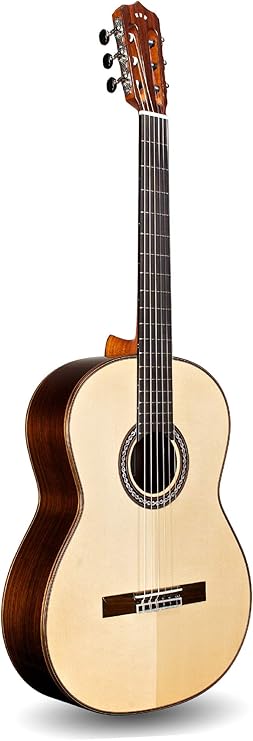
The Cordoba C10 Crossover is a premium acoustic nylon-string guitar from the Luthier Series, blending traditional classical design with modern playability. Crafted with all-solid woods, it appeals to players seeking rich tone and comfortable handling, making it a strong contender for serious guitar enthusiasts exploring crossover styles.
Key Features
- All-solid wood construction: European spruce top paired with Indian rosewood back and sides for resonant, balanced sound.
- Comfort-focused design: 48mm nut width, 16-inch radiused ebony fingerboard, and thinner mahogany neck with two-way truss rod for easier playability akin to steel-string guitars.
- Premium details: Hand-inlaid mother-of-pearl “Esteso” rosette, rosewood bridge and headstock veneer, fan bracing, and Spanish heel construction for unified vibration.
- Included accessories: High-gloss finish, Savarez Cristal Corum strings, and lightweight polyfoam case for protection.
Pros and Cons
- Pros: Exceptional tone projection and sustain from solid woods; comfortable for extended sessions; elegant vintage-inspired aesthetics; sturdy case adds value.
- Cons: Higher price point may deter beginners; natural wood variations can differ from images; nylon strings require adjustment for steel-string players.
Performance & User Experience
In real-world play, the C10 Crossover shines with its responsive soundboard, delivering loud, nuanced tones ideal for fingerstyle classical pieces or light strumming. The radiused fingerboard and slimmer neck reduce fatigue during long practices, while the truss rod allows precise action tweaks. Users report vibrant projection in small venues or home settings, though it may need setup tweaks for optimal humidity response.
Who Is This Product For?
This guitar suits intermediate to advanced players who enjoy classical nylon-string warmth but prefer steel-string ergonomics. It’s perfect for crossover artists, flamenco enthusiasts, or hobbyists upgrading from entry-level models seeking luthier-quality craftsmanship without full custom costs.
Final Verdict
The Cordoba C10 Crossover stands out as a well-built, versatile nylon-string guitar offering premium sound and playability in a reliable package. While its cost and string feel aren’t for everyone, it excels for dedicated players valuing tone and comfort. A solid investment for the right musician.
Cordoba C10 CD Lefty, Lutheir Series with Polyfoam Case Review
Introduction
If you’re a left-handed classical guitarist seeking a step up to professional quality without breaking the bank, the Cordoba C10 CD Lefty from the Luthier Series deserves a close look. This handmade Spanish-style guitar combines traditional craftsmanship with solid tonewoods, delivering concert-level performance in a package that includes a protective polyfoam case.

Key Features
- Solid Canadian cedar top and Indian rosewood back/sides: Produces a balanced tone with warm lows and clear highs.
- Traditional Spanish fan bracing and heel construction: Enhances responsiveness and allows full body vibration for dynamic play.
- C-shaped neck with two-way truss rod: Offers comfortable playability and reliable stability over time.
- Premium details: Rosewood fingerboard and bridge, 1920s-style pearloid rosette, red purfling, high-gloss finish, and Savarez Cristal Corum strings.
- Included lightweight polyfoam case: Provides secure, portable protection.
Pros and Cons
- Pros: Exceptional tone quality, meticulous handmade build, ergonomic neck for extended sessions, attractive vintage aesthetics.
- Cons: Premium price may deter beginners, solid wood requires humidity control to prevent warping, limited to left-handed players.
Performance & User Experience
In practice, the Cordoba C10 Lefty shines during classical pieces, where its responsive soundboard captures nuanced dynamics—from soft arpeggios to powerful strums. The rosewood delivers rich overtones and sustain, while the truss rod ensures the neck stays true through varying conditions. Players appreciate the flat fingerboard for precise fretting, though it demands proper setup for optimal action.
Who Is This Product For?
This guitar suits dedicated left-handed classical enthusiasts, intermediate to advanced players upgrading from student models, or performers needing a reliable stage instrument. It’s ideal for those prioritizing authentic Spanish tone over versatility for other genres.
Final Verdict
The Cordoba C10 CD Lefty stands out as a boutique-quality classical guitar that punches above its weight in sound and build. While not for casual strummers or right-handers, it offers serious value for lefties committed to the style. Worth considering if you’re ready for a lifetime instrument.
Cordoba C10 Parlor Small Body, All-Solid Woods, Acoustic Nylon String Guitar, Luthier Series, with Polyfoam Case Review
Introduction
The Cordoba C10 Parlor is a finely crafted acoustic nylon string guitar from the Luthier Series, designed for players who appreciate a compact instrument without sacrificing premium tone. Its 7/8-size parlor body offers enhanced comfort, making it a strong option for those seeking an all-solid wood guitar that balances playability and rich sound.

Key Features
- Solid Canadian cedar top paired with solid Indian rosewood back and sides for warm, resonant acoustics.
- Compact 7/8 parlor body size, ideal for easier handling and playability.
- Hand-inlaid Mother-of-Pearl “Esteso” rosette, evoking vintage Spanish design.
- Ebony fingerboard and Indian rosewood bridge for smooth action and durability.
- Includes a lightweight polyfoam case for protection during travel or storage.
Pros and Cons
- Pros: Exceptional build quality with traditional Spanish heel construction; comfortable for extended sessions; sweet, balanced tone from premium woods; comes with case.
- Cons: Smaller body may produce less volume for larger spaces; premium price reflects handmade craftsmanship; nylon strings require adjustment for steel-string players.
Performance & User Experience
In practice, the Cordoba C10 Parlor shines in intimate settings like home practice or small gatherings. The solid woods deliver a warm, responsive tone with clear projection for fingerstyle and classical pieces. Its shorter scale and slim neck enhance playability, reducing fatigue during long sessions. Users note the guitar’s quick response and nuanced dynamics, though it may not compete with full-size models in ensemble play.
Who Is This Product For?
This guitar suits smaller-framed players, classical enthusiasts, or anyone prioritizing comfort over power. It’s perfect for beginners upgrading to quality nylon strings or seasoned musicians wanting a portable, high-end parlor option for travel and casual performance.
Final Verdict
The Cordoba C10 Parlor stands out as a boutique-quality acoustic nylon string guitar, offering artisanal construction and delightful tone in a user-friendly package. While its size limits volume, it excels for personal enjoyment and finesse. A worthwhile investment for discerning players.
Read More:
- Karinear electric cooktop 30 inch review 2026 guide
- Best 75-Inch Streaming TVs 2026 — Expert Picks
- Ultimate Robotic Lawn Mower Review 2025: Top Picks & Buying Guide
- Best Waterproof Insulated Work Boots 2026
- Makita ADCU10SM1 Chainsaw Kit Review 2026 Guide
Buying Guide: How to Choose the best crossover guitars
Types of Crossover Guitars
Crossover guitars generally fall into categories like nylon-string models and hybrid designs that blend classical and steel-string elements. Nylon-string versions offer a warm, mellow tone suited for fingerstyle playing, while hybrids provide brighter projection for strumming. Understanding these differences helps match the guitar to your playing style.
Consider body shapes too—grand concert or auditorium styles enhance comfort for smaller hands, whereas dreadnought-inspired builds boost volume. This variety ensures you find the best crossover guitars that align with your musical needs without compromise.
When learning how to choose best crossover guitars, test both types to feel how string tension and neck width affect playability in real sessions.
Key Performance Factors
Look for responsive tonewoods and bracing patterns that deliver balanced sound, from rich lows to clear highs. Scale length influences string tension, impacting speed and intonation during fast passages or bends. Quality electronics ensure natural amplified output without muddiness.
Playability matters most—smooth fretwork and even action allow effortless transitions between classical techniques and folk strumming. These factors define what to look for in best crossover guitars for versatile performance.
Build Quality, Materials, and Durability
Solid wood tops paired with layered backsides resist humidity changes better than all-laminates, preserving tone over years. Check for reinforced neck joints and quality tuners to withstand regular travel and gigs.
Durable finishes protect against wear, while dovetail or bolt-on necks maintain stability. Investing in sturdy construction means your crossover guitar stays reliable through seasons of use.
Ease of Use and Setup
Opt for guitars with adjustable truss rods and low action out of the box, minimizing initial tweaks for beginners or frequent switchers. Wider necks suit classical players, but slimmer profiles ease steel-string habits.
Setup-friendly designs include easy-access battery compartments and plug-and-play pickups. This buyer-focused approach simplifies choosing the best crossover guitars for immediate enjoyment.
Maintenance Requirements
Regular string changes every few months keep tone fresh, especially with nylon sets prone to stretching. Control humidity between 45-55% using cases with humidifiers to prevent cracks.
Clean frets and electronics sparingly with soft cloths to avoid residue buildup. Low-maintenance builds reduce upkeep, letting you focus on playing rather than repairs.
Comfort and Usability Considerations
Ergonomic body contours and lightweight builds reduce fatigue during long practices. Low feedback potential from quality pickups ensures clean sound at moderate volumes onstage.
Neck profiles that fit various hand sizes enhance usability for extended sessions. Prioritizing comfort helps you select best crossover guitars that feel natural from day one.
Safety Features and User Protection
Reinforced internal bracing prevents top cracks from drops, while shielded wiring in electronics minimizes shock risks. Secure strap buttons and stable heel designs aid safe handling.
These subtle protections safeguard both the instrument and user during transport or performance, adding peace of mind to your choice.
Energy Efficiency for Electronics
Modern preamps with long-life batteries last 200+ hours, cutting replacement costs. Piezo or magnetic pickups draw minimal power while maximizing output clarity.
Efficient systems support extended gigs without interruptions, making them practical for mobile players seeking the best crossover guitars buying guide essentials.
Warranty, Customer Support, and Reliability
Extended warranties covering manufacturing defects provide reassurance for long-term ownership. Responsive support teams offer setup advice and repair guidance promptly.
Reliable guitars backed by solid policies build confidence, ensuring your investment performs consistently over time.
FAQs
What is a crossover guitar?
A crossover guitar blends acoustic projection with electric versatility, often featuring a cutaway body for upper-fret access and onboard electronics for amplification. The best crossover guitars balance natural tone with enhanced playability, making them suitable for live performances or studio work. This hybrid design addresses common limitations of traditional acoustics, offering reliable sound in varied environments without compromising unplugged resonance. Players appreciate their adaptability for both practice and gigs.
What are the main advantages of crossover guitars?
Crossover guitars provide amplified output without feedback issues common in standard acoustics, along with improved ergonomics for extended play. The best crossover guitars deliver clear, balanced tones across genres, with electronics that capture nuanced dynamics. They suit players transitioning between acoustic and electric setups, offering convenience for stage use while retaining organic feel. This makes them practical for hobbyists and professionals seeking flexibility without multiple instruments.
Are crossover guitars suitable for beginners?
Yes, crossover guitars can be beginner-friendly due to their comfortable neck profiles and versatile electronics that simplify amplification. The best crossover guitars often include features like low action for easier fretting, helping new players build technique. They encourage exploration of plugged and unplugged sounds, fostering confidence. However, selecting one with appropriate scale length and body size ensures it matches a beginner’s physical build and learning goals.
How do crossover guitars differ from traditional acoustic guitars?
Crossover guitars incorporate electric components and ergonomic enhancements like cutaways, unlike traditional acoustics focused solely on unplugged volume. The best crossover guitars emphasize amplified clarity and stage-ready design, reducing feedback while preserving acoustic warmth. This distinction suits performers needing reliability in loud settings, whereas pure acoustics excel in intimate, natural soundscapes. The choice depends on whether amplification and accessibility are priorities.
What should I consider when selecting a crossover guitar?
Focus on body shape for comfort, pickup quality for tone fidelity, and overall weight for playability during long sessions. The best crossover guitars align with your genre preferences, hand size, and performance needs. Evaluate battery life in electronics and tuning stability for reliability. Testing in person reveals how it feels and sounds in your hands, ensuring it supports your current skill level and future growth.
Conclusion
This article has covered the core characteristics of crossover guitars, including their hybrid design, performance features, and practical applications, as detailed in the buying guide and comparison sections. These resources highlight how factors like playability, electronics, and tonal balance influence suitability for different players and scenarios.
There is no single best crossover guitar for everyone; the ideal choice hinges on individual needs, such as playing style, venue requirements, and personal comfort. By reviewing the provided insights, you can weigh options thoughtfully and arrive at a decision that enhances your musical experience with confidence and clarity.