
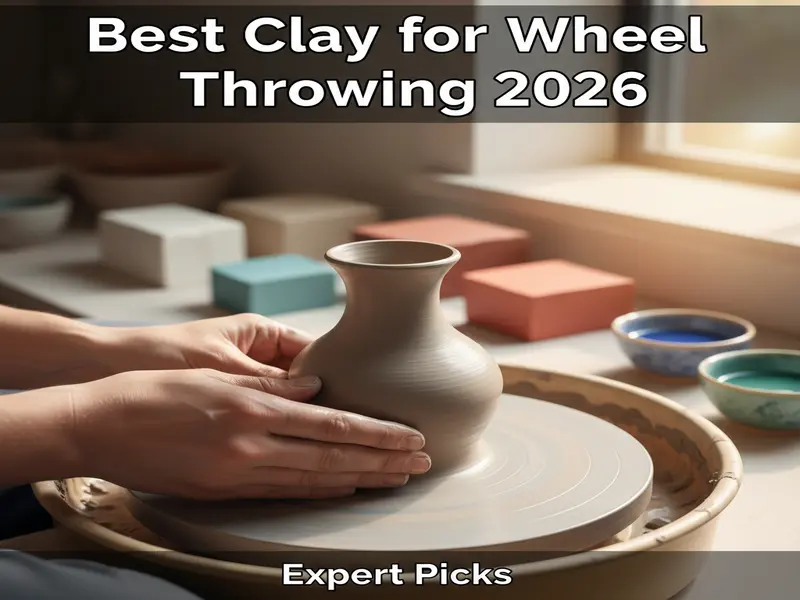
If you’re searching for the best clay for wheel throwing, you’re in the right place—it’s the key material for shaping beautiful, symmetrical pots, bowls, and vases on a potter’s wheel. Wheel throwing demands clay that’s highly plastic, smooth to center, and responsive to your hands as it spins, allowing you to pull up even walls without frustration.
Thank you for reading this post, don't forget to subscribe!Many potters struggle with common issues like clay that’s too sticky and hard to lift off the bat, or overly crumbly material that cracks during centering or throwing. Others deal with clay drying out too quickly mid-session, leading to uneven results, or batches that warp in the kiln after all that effort. These pain points can turn a relaxing creative session into a discouraging mess, wasting time and supplies.
Choosing the right clay matters because it directly impacts your success rate, the quality of your finished pieces, and how much you enjoy the process. The best options balance workability, strength when leather-hard, and firing reliability, helping beginners build confidence and pros refine their techniques.
This guide draws from in-depth analysis of product features, real-world performance on the wheel, feedback from everyday potters and experienced artists, and overall value for money. Whether you’re stocking your studio or trying wheel throwing for the first time, we’ve got you covered. Stick around as we break down the top choices in a comparison table, highlighting what makes each one stand out for your needs.
Best Clay for Wheel Throwing 2026: Expert Picks




Last update on 2025-12-21 / Affiliate links / Images from Amazon Product Advertising API
Read More:
- Best Clear UV Blocking Window Film 2026
- Best Coffee Maker with Burr Grinder 2026
- Best Carpet Cleaner Shampoo 2026: Top Picks
- Best Canned Ham 2026: Top Expert Picks
- 10 Best Breakfast Bars for Weight Loss 2026
Mid High Fire White Stoneware Clay for Pottery;Mid Fire Cone 5-7;Ideal for Wheel Throwing,Hand Building,Sculpting;Great for All Skill Levels;Whiteware Clay- Pottery Clay Fires White;5 lbs Review
Introduction
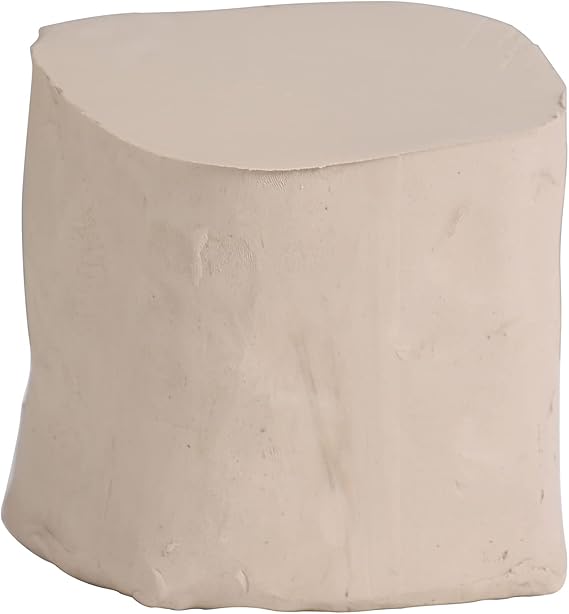
If you’re into pottery and seeking a reliable mid-fire white stoneware clay, this 5-pound option stands out for its versatility. Designed for cone 5-7 firing, it supports techniques like wheel throwing, hand building, and sculpting, making it a practical choice for hobbyists and classrooms alike.
Key Features
- Firing range of cone 5-10, with optimal glazing at cone 5-6 for a clean white finish.
- Smooth, plastic consistency ideal for wheel throwing, hand building, and sculpting.
- Low iron content minimizes glaze interactions, expanding color options.
- Water-based formula suitable for beginners to advanced users in studios or homes.
- Comes in a 5-pound block, perfect for small projects like tiles, pots, or figurines.
Pros and Cons
- Pros: Excellent workability; fires to a bright white; versatile for multiple techniques; safe and accessible for all skill levels.
- Cons: Limited quantity at 5 pounds may require multiple purchases for larger works; specific mid-to-high fire range limits low-fire applications.
Performance & User Experience
In practice, this pottery clay offers smooth handling on the wheel, holding shape well during centering and pulling up forms. Hand builders appreciate its plasticity for slabs and coils without excessive cracking. When fired to cone 6, it vitrifies nicely, yielding durable whiteware that accepts glazes evenly. Users note minimal warping, though drying must be even to avoid issues. It’s forgiving for novices yet responsive for detailed sculpting.
Who Is This Product For?
This clay suits beginners exploring pottery, classroom settings, hobbyists crafting functional pots or decor, and experienced potters needing a consistent white stoneware base. It’s less ideal for those focused solely on low-fire or raku techniques.
Final Verdict
Overall, this mid high fire white stoneware clay delivers solid performance for its intended uses, balancing ease and quality. It’s a worthwhile pick for versatile mid-range firing projects, provided the 5-pound size fits your needs. Consider it if you’re building skills or stocking a studio affordably.
Old Potters Low Fire Pottery Clay White, 10 lbs (Cones 06-04) Made in USA Modeling Clay for Wheel Throwing and Hand Building, Pottery and Sculpting, Beginners, and Advanced Review
Introduction
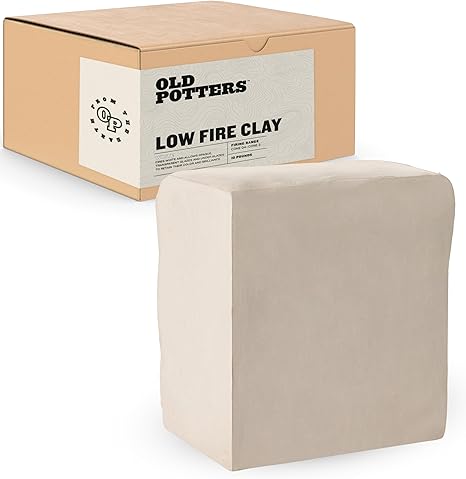
If you’re into pottery or sculpting, finding reliable clay that’s easy to handle can make all the difference. The Old Potters Low Fire Pottery Clay in white, at 10 lbs, is a solid option made in the USA. It’s designed for low-fire ranges (cones 06-04) and works well for wheel throwing, hand building, and more. This makes it a practical choice for anyone looking to create durable pieces without needing high-temperature kilns.
Key Features
- Smooth, plastic consistency ideal for shaping and molding without cracking.
- Low-fire formula fires between cones 06-04, compatible with standard glazes.
- Non-toxic and made from natural materials in the USA for consistent quality.
- 10 lb package provides enough material for multiple small to medium projects.
- Versatile for techniques like wheel throwing, hand building, and sculpting.
Pros and Cons
- Pros: Excellent workability for all skill levels; maintains moisture well; fires to a clean white finish; affordable for the quantity.
- Cons: Limited to low-fire applications, so not suitable for high-fire pottery; may require wedging to remove air bubbles; 10 lbs can deplete quickly for larger pieces.
Performance & User Experience
In practice, this clay centers nicely on the wheel and responds well to hand-building methods like coiling or slab work. It holds fine details during sculpting and dries evenly if stored properly. Users report smooth firing results with minimal warping when following cone 04 guidelines, and glazing enhances the professional look. Beginners appreciate its forgiving nature, while experienced potters value the reliable plasticity for complex forms.
Who Is This Product For?
This clay suits hobbyists, classroom settings, and home studios. It’s perfect for beginners exploring pottery basics or advanced users needing a dependable low-fire body for decorative items, tiles, or figurines. Those without access to high-heat kilns will find it especially convenient.
Final Verdict
Overall, Old Potters Low Fire Pottery Clay offers good value with its ease of use and quality finish. It’s not ideal for every project but shines in low-fire applications. If you’re starting out or prefer accessible materials, it’s worth trying—just plan your firing schedule accordingly.
5 lbs Low Fire Pottery Clay for Sculpting, Beginners, and Advance- Terra Cotta, Cone 06. Earthware Potters Throwing Clay. Ideal for Wheel Throwing, Hand Building, Firing and More Review
Introduction
Exploring pottery or sculpture? This 5 lbs pack of low fire terra cotta clay offers a reliable starting point for crafters at any level. Made from natural kaolin, it’s designed for wheel throwing, hand building, and sculpting, firing at Cone 06 for durable earthenware results. It’s worth considering for its balance of affordability, ease, and versatility in home studios or classrooms.

Key Features
- Natural composition: Kaolin-based terra cotta with fine, uniform texture for smooth handling and strong plasticity.
- Versatile use: Ideal for hand building, wheel throwing, sculpting, and molding; moist clay cuts easily into workable chunks.
- Firing guidelines: Bisque fire at Cone 04, glaze at Cone 06 for optimal strength and finish.
- Safe and eco-friendly: Non-toxic, chemical-free, and environmentally sound.
- Storage tips: Keep in a cool, dark place; natural mold growth acts as a plasticizer but requires monitoring.
Pros and Cons
- Pros: Excellent plasticity reduces cracking; generous 5 lbs quantity; beginner-friendly with professional results; cost-effective for projects.
- Cons: Prone to mold if not stored properly (though harmless); air drying lacks permanence without firing; requires kiln access for glazed durability.
Performance & User Experience
In practice, this clay shines for its forgiving nature during shaping—knead it with a bit of water for even moisture, and it holds intricate details in sculptures or forms smoothly on the wheel. Users report minimal sticking and easy cleanup. Firing yields a classic red terra cotta hue, though glaze firing enhances water resistance. Storage vigilance prevents odor from mold, a common trait in moist clays that seasoned potters appreciate for added workability.
Who Is This Product For?
Perfect for beginners dipping into pottery, hobbyists experimenting with hand building or throwing, and advanced artists needing a dependable low-fire option. It’s suited for home potters with kiln access, art students, or sculptors prioritizing natural materials over high-fire ceramics.
Final Verdict
This low fire pottery clay delivers solid performance for its price, blending ease and reliability for diverse techniques. While kiln firing is ideal for longevity, it’s a smart choice for creative exploration—just manage storage diligently. Recommended for those ready to shape their next project.
Read More:
- Giraffe wall mounted pressure washer review 2026
- Best 43-Inch 8K TVs 2026: Expert Picks & Deals
- Best Central Air Conditioners Heat Pump Unit 2025
- Best Thick Pads for Air Conditioners 2025 — Top Picks
- Best 75-Inch High-Brightness TVs 2026 — Top Picks
Buying Guide: How to Choose the best clay for wheel throwing
Types of Clay for Wheel Throwing
Clay for wheel throwing comes in several main types, including earthenware, stoneware, and porcelain, each suited to different firing temperatures and final outcomes. Earthenware fires at lower temperatures and offers a warmer color palette, while stoneware withstands higher heat for greater strength. Porcelain provides a fine, translucent finish but demands precise handling.
Understanding these differences helps match the clay to your kiln capabilities and desired pottery style. For beginners, mid-range firing clays like stoneware often balance ease and versatility in wheel work.
Consider how the type aligns with your projects, as it influences everything from texture during throwing to the piece’s final durability.
Plasticity and Workability
Plasticity refers to how well the clay deforms and holds shape under pressure on the wheel, making it essential for smooth pulling and tall forms. High-plasticity clays stay soft longer, reducing cracking risks during throwing sessions.
Look for clays that center easily and respond predictably to your hands, allowing consistent results without excessive wedging. This factor directly impacts your efficiency and frustration levels as a thrower.
Test samples if possible to gauge workability, as it varies by moisture content and additives like grog.
Composition and Durability
The makeup of clay, including particle size, grog content, and mineral binders, affects its strength both green and fired. Finer particles yield smoother surfaces ideal for detailed wheel work, while grog adds tooth for better grip.
Durable clays resist warping and slumping during drying and firing, ensuring your thrown pieces survive to the glazing stage. Prioritize balanced formulations for long-term reliability in repeated use.
Examine grog type and clay body purity to predict how it holds up over multiple firings.
Ease of Use and Setup
Choose clays that require minimal preparation, like those pre-mixed to optimal moisture for immediate wheel use. This minimizes wedging time and lets you focus on throwing.
User-friendly clays center quickly with less effort, accommodating various skill levels and reducing physical strain during long sessions. They also reclaim well from trimmings.
For typical potters, straightforward hydration and throwing response streamline the process from block to bat.
Storage and Maintenance
Clay needs airtight storage to prevent premature drying or mold, so opt for types that maintain consistency over time with basic upkeep like plastic wrapping.
Low-maintenance options resist contamination and require infrequent reconditioning, saving effort between projects. Proper care extends usability and preserves performance.
Factor in your workspace conditions, as some clays tolerate humidity fluctuations better than others.
User Comfort and Handling
Smooth, non-sticky textures enhance comfort during extended throwing, preventing hand fatigue and slippage. Balanced moisture levels contribute to a pleasant tactile experience.
Clays with moderate grit levels offer feedback without abrasiveness, aiding precision in wall thickness and curves. This usability boosts confidence for consistent output.
Consider how the clay feels under your fingers, as it influences session enjoyment and productivity.
Safety Considerations
Seek low-dust formulations to minimize inhalation risks during wedging and cleanup, especially in home studios. Non-toxic compositions ensure safe handling without special precautions.
Clays free of harmful impurities protect skin and respiratory health over prolonged use. Always verify material safety data for peace of mind.
Prioritizing safety allows focus on creativity rather than concerns during wheel work.
Firing Compatibility and Efficiency
Match clay to your kiln’s temperature range to avoid under- or over-firing, which affects strength and aesthetics. Predictable shrinkage rates help plan sizes accurately.
Efficient clays maximize yield with minimal waste, optimizing material use for cost-effective production. They vitrify evenly for reliable results.
Review firing charts to ensure compatibility with common glazes and schedules.
Consistency and Reliability
Reliable clays maintain uniform properties across batches, preventing surprises in throwing or firing. This builds trust in your supplier’s quality control.
Strong customer support from producers offers guidance on usage, enhancing your success rate. Look for documented consistency in documentation.
Consistent performance reduces trial-and-error, letting you refine techniques confidently.
FAQs
What type of clay works best for wheel throwing?
Clay suitable for wheel throwing typically features high plasticity, allowing it to center easily and hold shape during pulling. Mid-fire stoneware or earthenware bodies with fine grain size and minimal grog provide smooth performance. The best clay for wheel throwing balances workability with strength to minimize cracking. Test small batches to match your wheel speed and technique, as individual preferences vary.
How do I choose the best clay for wheel throwing as a beginner?
For beginners, select clay with forgiving plasticity that centers without excessive wedging. Opt for bodies designed for wheel work, often with consistent moisture retention. The best clay for wheel throwing in this case supports steady progress without frustration. Consider your studio’s firing range and practice on small forms first to build confidence in handling.
What plasticity level is ideal for wheel throwing clay?
Ideal plasticity for wheel throwing falls in the medium to high range, enabling easy centering and even wall pulling. Clays that are too stiff resist shaping, while overly soft ones slump. The best clay for wheel throwing maintains form during speed changes. Adjust wedging and resting time to achieve this, ensuring reliable results across sessions.
Does grog content affect wheel throwing performance?
Grog adds tooth for stability but can drag under tools if excessive. Low to medium grog content suits most wheel throwing, enhancing dry strength without hindering smoothness. The best clay for wheel throwing often includes fine grog for larger forms. Experiment based on project size, as it influences texture and firing outcomes without compromising workability.
How should I store clay to keep it best for wheel throwing?
Store clay in airtight plastic bags within sealed bins to maintain consistent moisture. Avoid direct sunlight or dry environments that harden it. The best clay for wheel throwing stays pliable with periodic kneading. Label batches by age and condition your wheel clay fresh before use to prevent drying cracks during throwing.
Conclusion
This article has explored essential factors for selecting clay suited to wheel throwing, including plasticity, grain size, moisture retention, and grog influence. Understanding these elements helps identify options that align with your specific setup and style. There is no single best clay for wheel throwing that fits everyone, as needs differ by experience level, project scale, and firing capabilities.
Refer back to the buying guide and comparison sections for detailed insights tailored to your priorities. By weighing these considerations objectively, you can make an informed choice that supports consistent, enjoyable wheel work. Focus on testing clays in your environment to ensure they meet practical demands and foster skill development over time.